 standoutmagazine01@gmail.com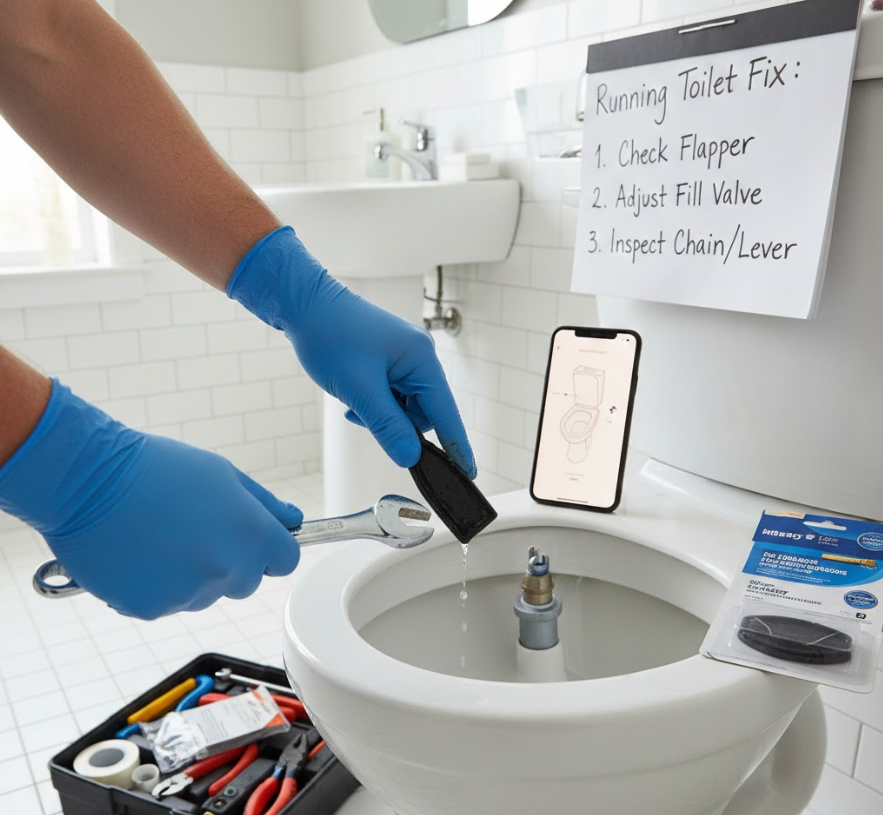
Knowing how to fix a running toilet is one of the most valuable home-maintenance skills you can have. A toilet that runs continuously can waste up to 200 gallons of water per day, according to the U.S. Environmental Protection Agency. That silent leak not only increases utility bills but also strains plumbing components and wastes a critical natural resource.
The good news is that most running toilets are caused by simple, inexpensive issues such as worn flappers, misadjusted floats, faulty fill valves, or improperly sealed cistern components. This expert-written guide explains how to fix a running toilet step by step, covering traditional, modern, American, UK, and brand-specific systems using clear, actionable advice.
How to Fix a Running Toilet After Flushing
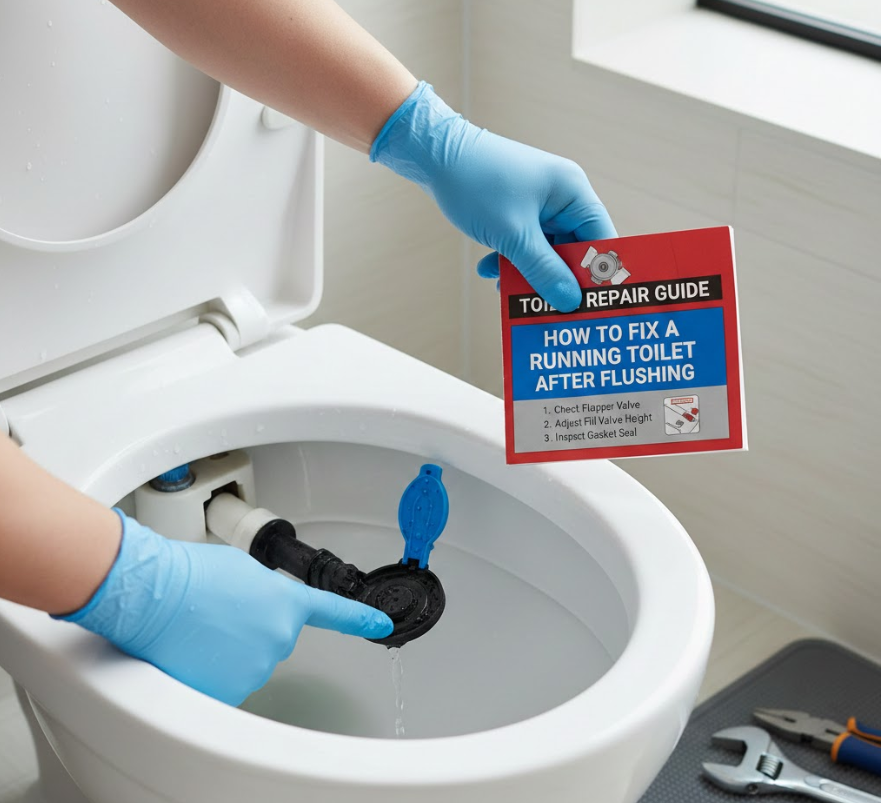
A toilet that continues running after flushing usually has a sealing or refill problem.
• Check the flapper seal immediately
If the flapper does not close tightly, water leaks continuously from the tank into the bowl.
• Inspect the chain length
A chain that is too short holds the flapper open, while a chain that is too long may tangle.
• Observe refill behavior
If the tank keeps refilling, the fill valve may not be shutting off properly.
• Adjust water level
Water above the overflow tube causes constant drainage.
• Test flush multiple times
Repetition reveals intermittent failures.
• Replace worn components
Rubber parts degrade over time and lose flexibility.
How to Fix a Running Toilet Flapper
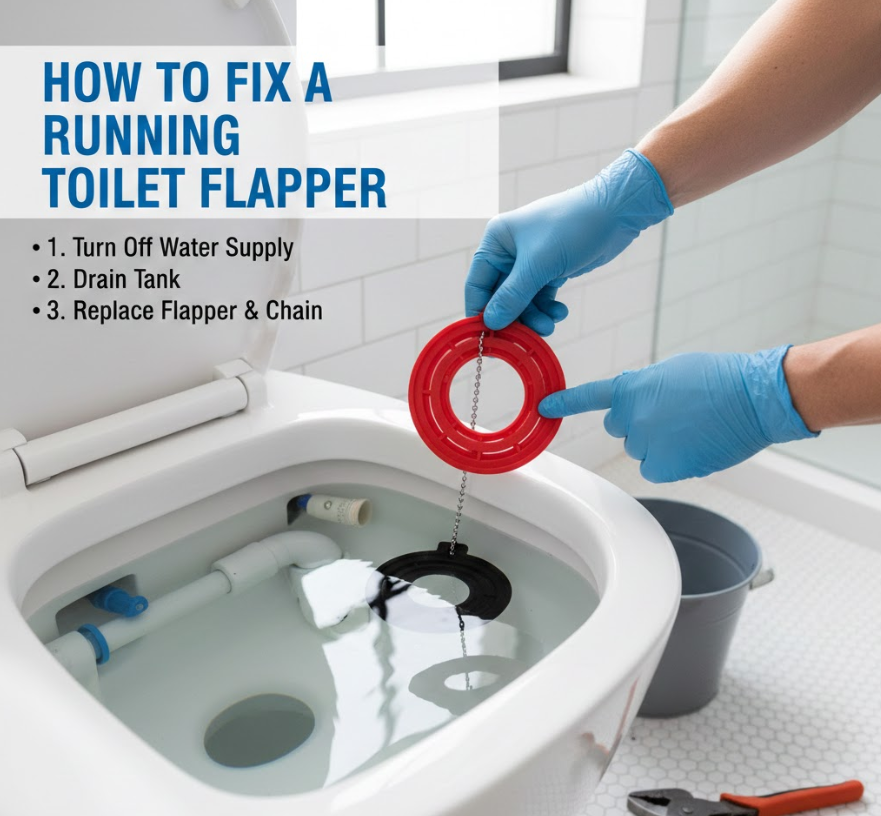
The flapper is the most common cause of a running toilet.
• Turn off water supply first
Prevents flooding while working inside the tank.
• Drain the tank completely
Allows clear access to the flapper seat.
• Inspect flapper condition
Warped, brittle, or slimy flappers cannot seal properly.
• Clean flapper seat
Mineral buildup prevents a tight seal.
• Install compatible replacement
Universal flappers work for most models.
• Test for silent leaks
Food coloring in the tank reveals slow leaks.
Also Read This:- How to Clean a Microwave: The Ultimate Step-by-Step Guide for a Fresh, Odor-Free Kitchen
How to Fix a Running Toilet Fill Valve
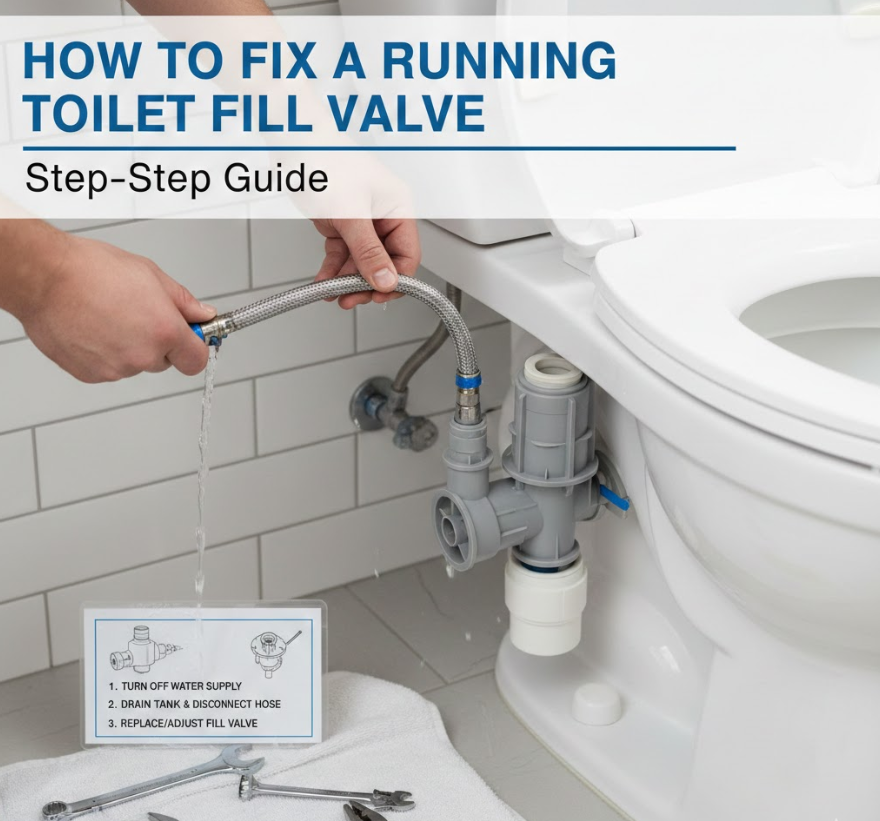
A faulty fill valve causes constant refilling.
• Identify fill valve type
Modern toilets use cup-style or floatless valves.
• Check shut-off height
Improper height allows overflow tube drainage.
• Clean valve debris
Sediment blocks proper closure.
• Replace if noisy or slow
Hissing or slow fill indicates failure.
• Adjust float mechanism
Correct float height stops overfilling.
• Confirm proper refill rate
Tank should refill within 30–60 seconds.
How to Fix a Running Toilet With a Ball Float
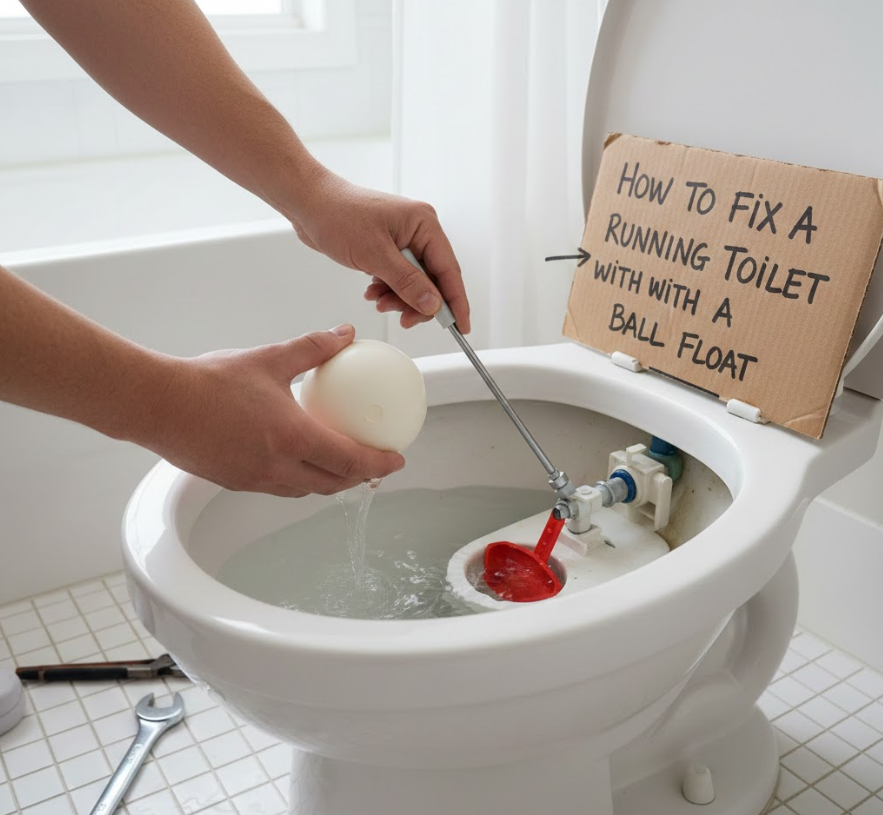
Older toilets often use ball floats.
• Inspect float arm alignment
Bent arms cause incorrect water levels.
• Lower float height
Reduces water entering overflow tube.
• Check float for leaks
Water-logged floats sink and fail.
• Replace damaged floats
Plastic floats crack over time.
• Tighten adjustment screw
Ensures stable positioning.
• Test multiple flush cycles
Confirms consistent shut-off.
Also Read This:- What Does PCT Stand for Aceable? A Comprehensive Guide
How to Fix a Running Toilet Without a Ball Float
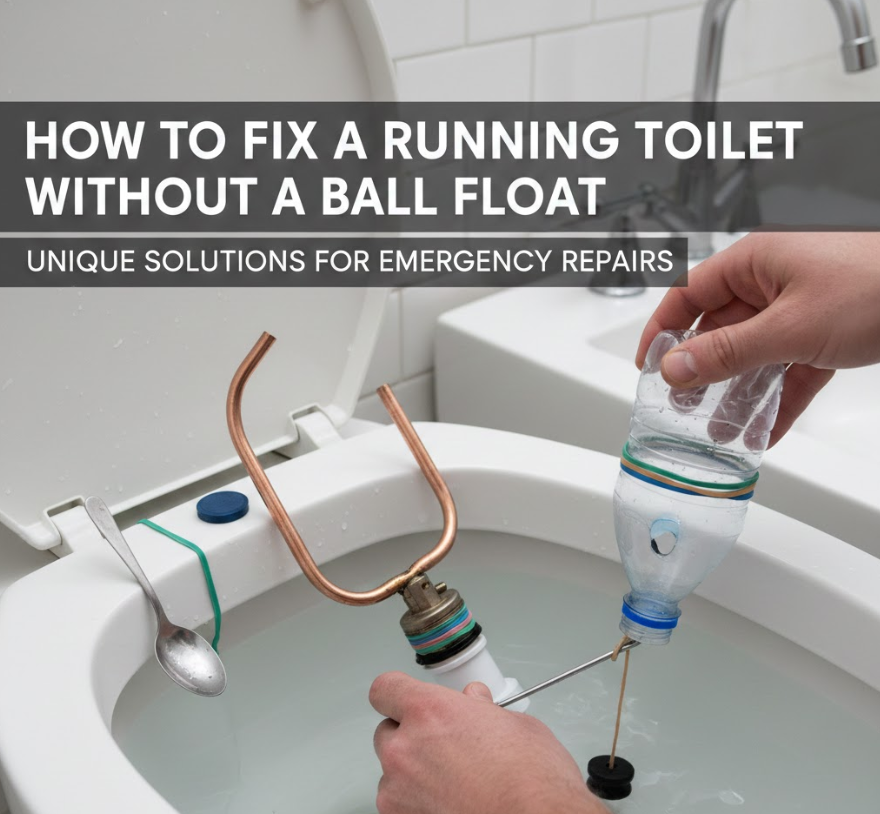
Modern toilets use float-cup systems.
• Locate float cup on fill valve
Moves vertically with water level.
• Adjust height using clip or screw
Lowering stops overflow.
• Clean float track
Debris restricts movement.
• Check refill tube placement
Must sit above overflow tube.
• Replace worn fill valve
Cost-effective and simple repair.
• Verify water shut-off
Ensures valve closes fully.
How to Fix a Running Toilet Without a Flapper
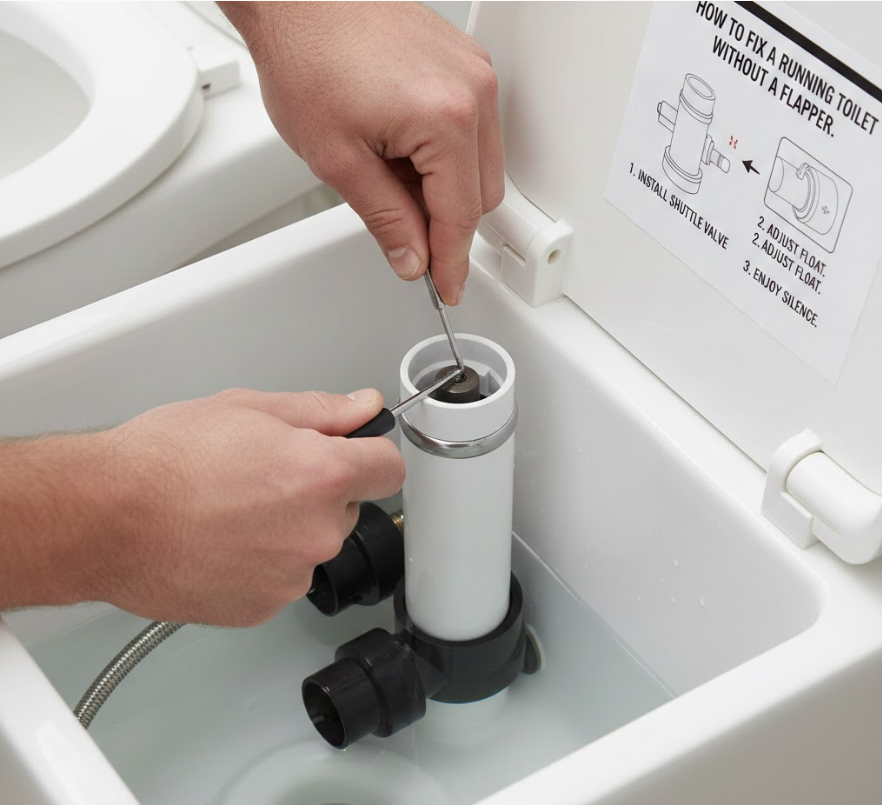
Some toilets use flush towers or canister seals.
• Identify flush tower system
Common in newer toilets.
• Inspect rubber seal ring
Acts like a flapper alternative.
• Clean sealing surface
Minerals prevent airtight closure.
• Replace seal if warped
OEM parts work best.
• Check lift mechanism
Ensures proper drop after flush.
• Test silent operation
No refill noise indicates success.
Also Read This:- What Does Navy SEAL Training Consist Of? A Complete Guide
How to Fix a Running Toilet With a Button Flush
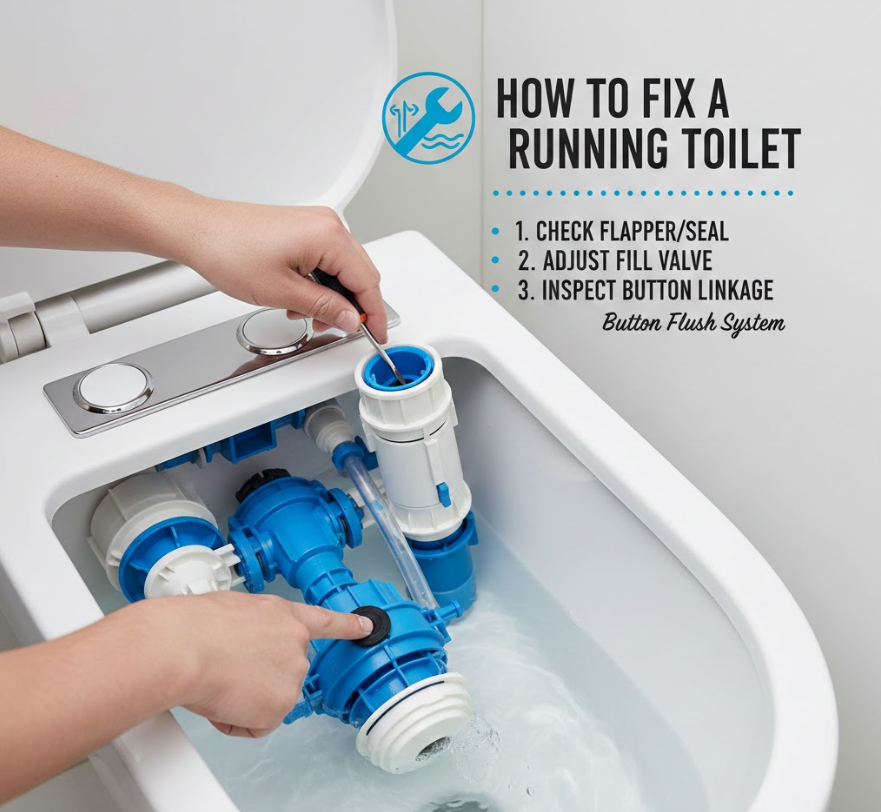
Dual-flush toilets require specific adjustments.
• Remove flush button carefully
Avoid cracking porcelain lid.
• Inspect internal rods
Misaligned rods prevent sealing.
• Adjust flush height
Buttons should reset fully.
• Check dual-flush valve seals
Worn seals cause constant flow.
• Clean mineral buildup
Hard water affects button systems.
• Replace faulty flush valve
Often sold as complete kits.
How to Fix a Running Toilet Jiggle Handlae
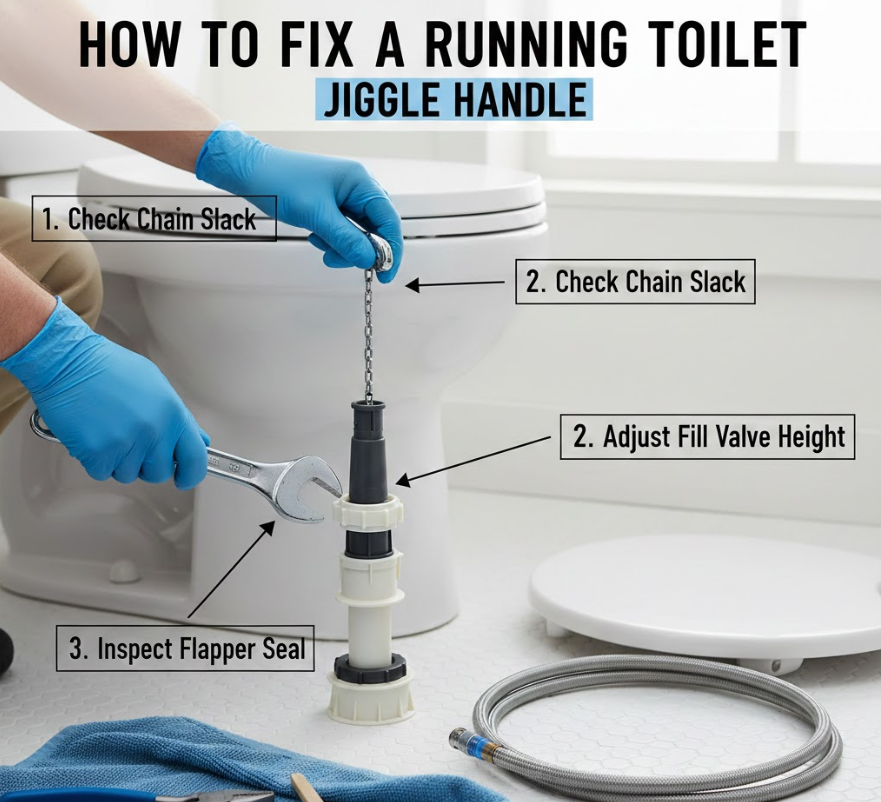
The “jiggle handle” symptom indicates linkage issues.
• Inspect handle chain
Often tangled or too tight.
• Check handle arm angle
Improper angles keep flapper lifted.
• Lubricate pivot points
Reduces sticking.
• Replace worn handle
Internal wear causes poor return.
• Secure chain clip properly
Prevents future tangles.
• Test handle release
Should fall freely every time.
Also Read This:- What Does Dibosia Mean? A Complete and In-Depth Explanation
How to Fix a Running Toilet Bowl
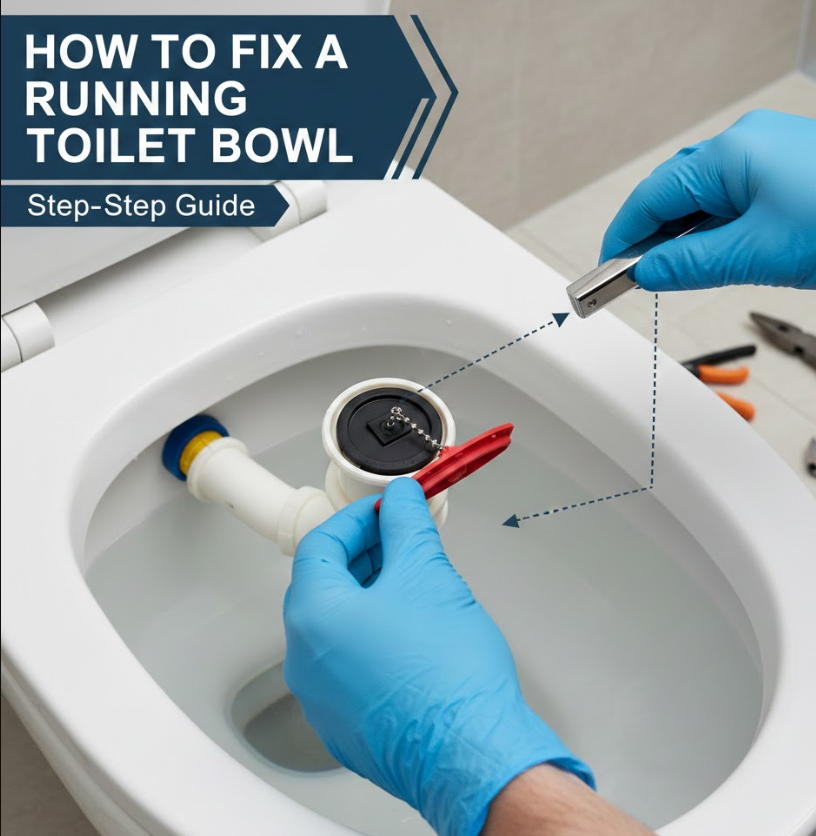
Continuous bowl flow indicates tank problems.
• Confirm bowl refill source
Water should stop after fill.
• Check overflow tube height
Water above this drains constantly.
• Inspect refill tube placement
Must not be submerged.
• Replace flapper or seal
Primary bowl-fill cause.
• Test dye leak method
Identifies invisible leaks.
• Monitor overnight
Ensures fix holds.
How to Fix a Running Toilet Cistern (UK Systems)
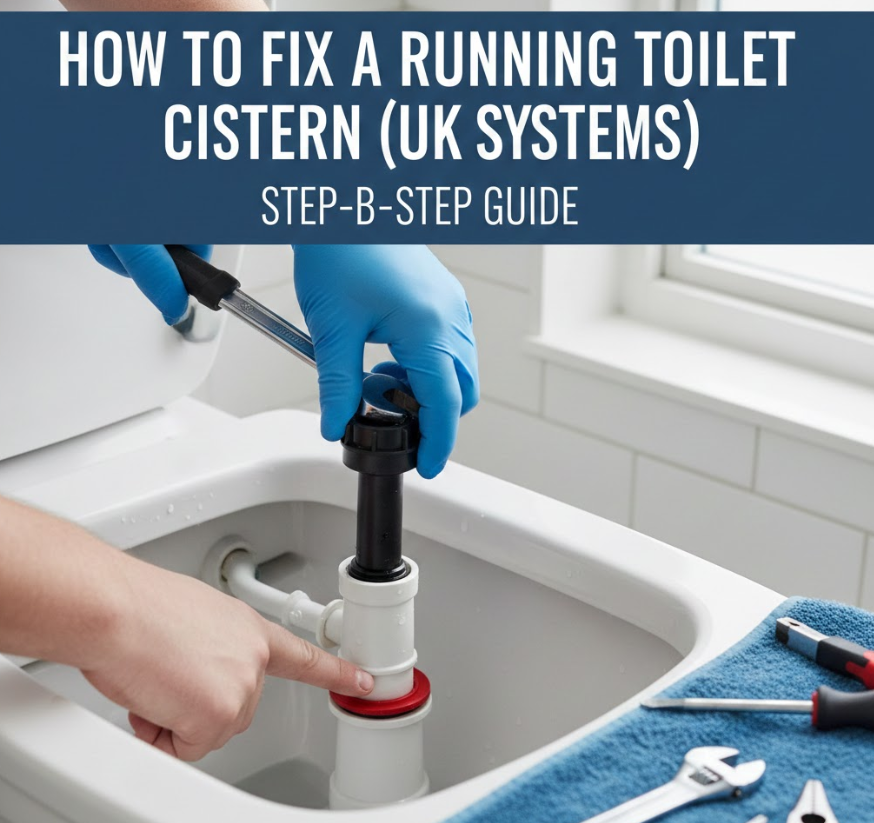
UK toilets use cistern mechanisms.
• Identify siphon vs valve system
UK designs differ from US toilets.
• Check siphon diaphragm
Cracked diaphragms cause running.
• Inspect float valve
Common failure point.
• Adjust float height
Prevents overflow.
• Replace worn washers
Small parts cause big leaks.
• Test full flush cycle
Ensures siphon resets.
Also Read This:- How to Fix a Broken Monitor Screen: A Complete Practical Guide
How to Fix a Running Toilet UK (Modern & Old)
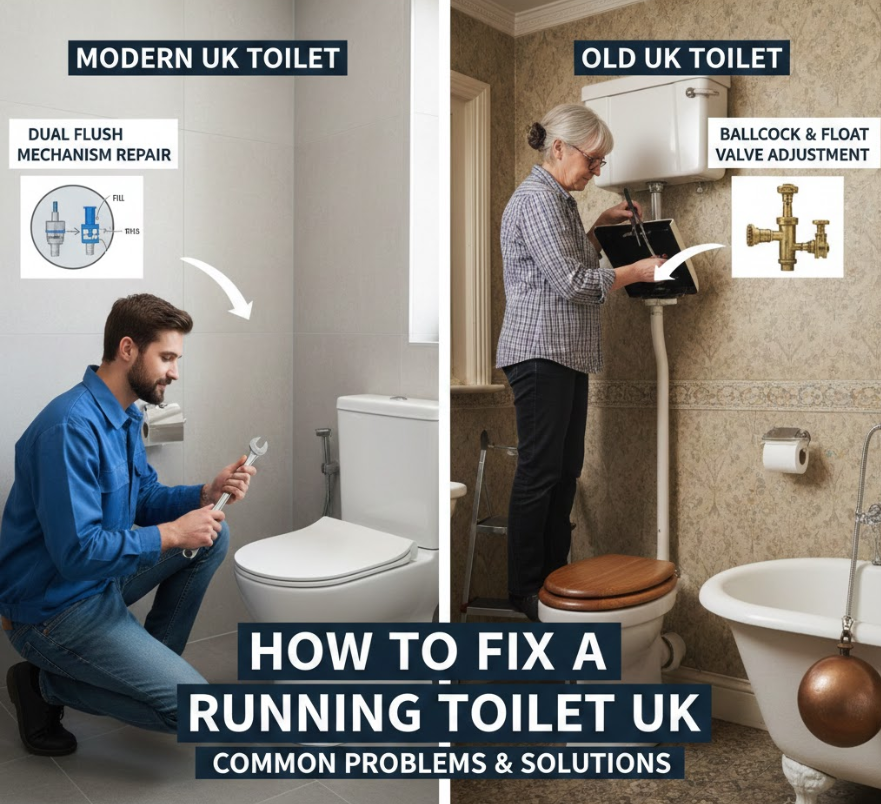
UK toilets vary widely by age.
• Turn off isolation valve
Usually under toilet or sink.
• Check internal overflow
Modern toilets overflow into bowl.
• Replace float valve washer
Common UK issue.
• Clean limescale buildup
Hard water affects seals.
• Use manufacturer-specific parts
Avoid compatibility issues.
• Verify compliance
UK plumbing regulations matter.
How to Fix a Running Toilet American Standard
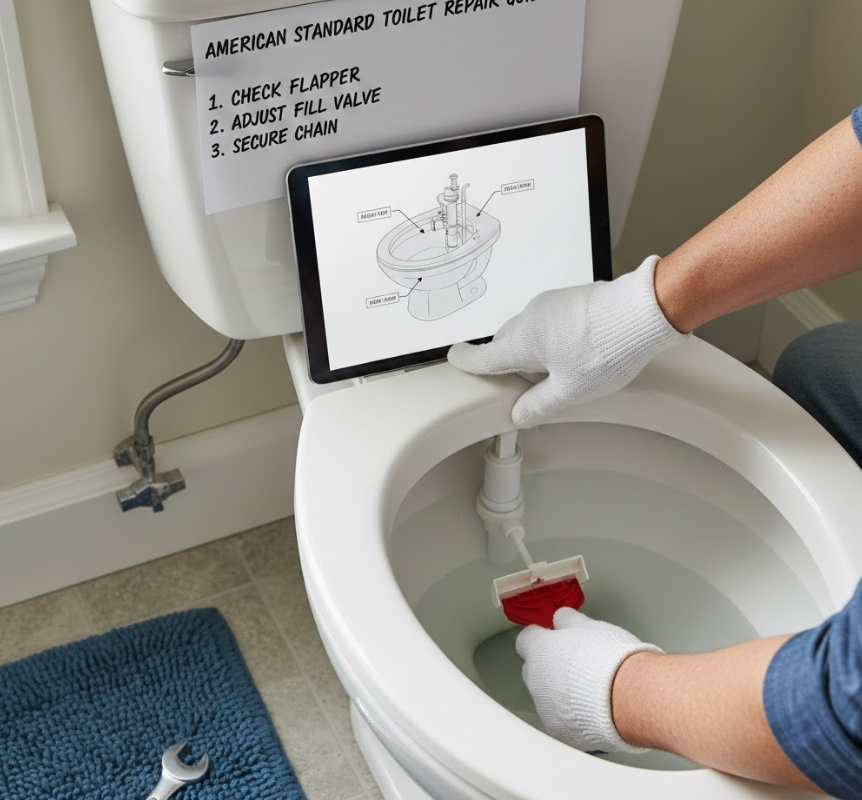
Brand-specific systems need tailored fixes.
• Identify model number
Located inside tank.
• Check proprietary flappers
American Standard uses custom parts.
• Replace flush valve seal
Common failure point.
• Adjust fill valve height
Prevents overfilling.
• Use OEM parts
Ensures proper fit.
• Test warranty coverage
Some parts are covered.
Also Read This:- How to Extract Mechlink RimWorld: Complete Mechanitor Progression Guide
How to Fix a Running Toilet Kohler
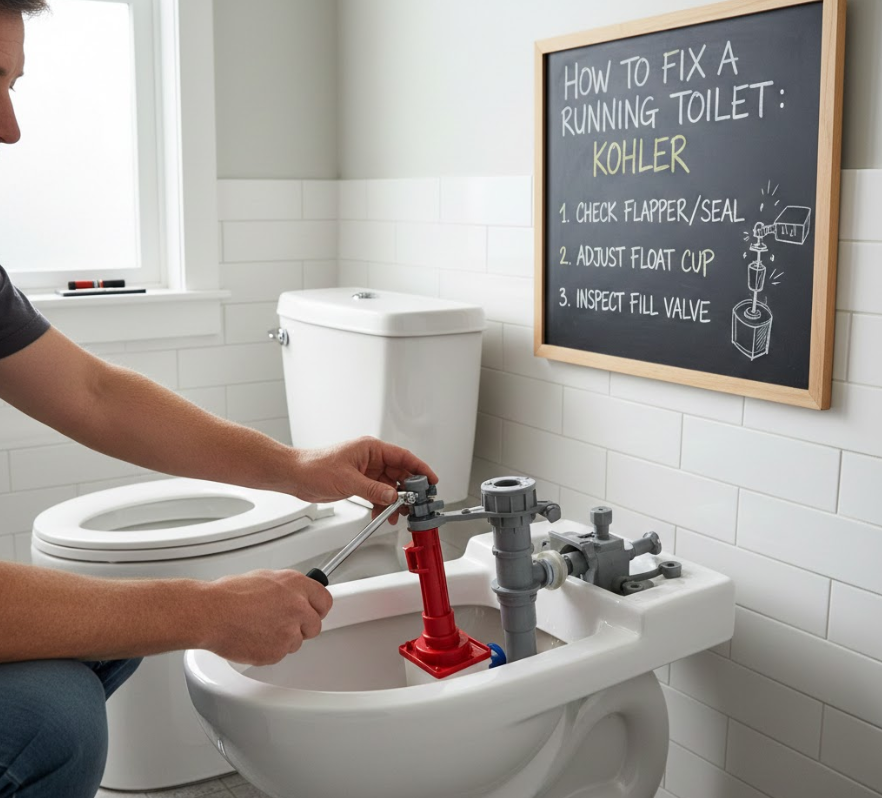
Kohler toilets use canister systems.
• Inspect canister seal
Main cause of running.
• Clean sealing surface
Minerals interfere with closure.
• Replace seal ring
Low-cost fix.
• Check guide rails
Ensure smooth movement.
• Adjust chain tension
Prevents hanging.
• Test flush strength
Ensures proper reset.
How to Fix a Running Toilet Without a Float Ball
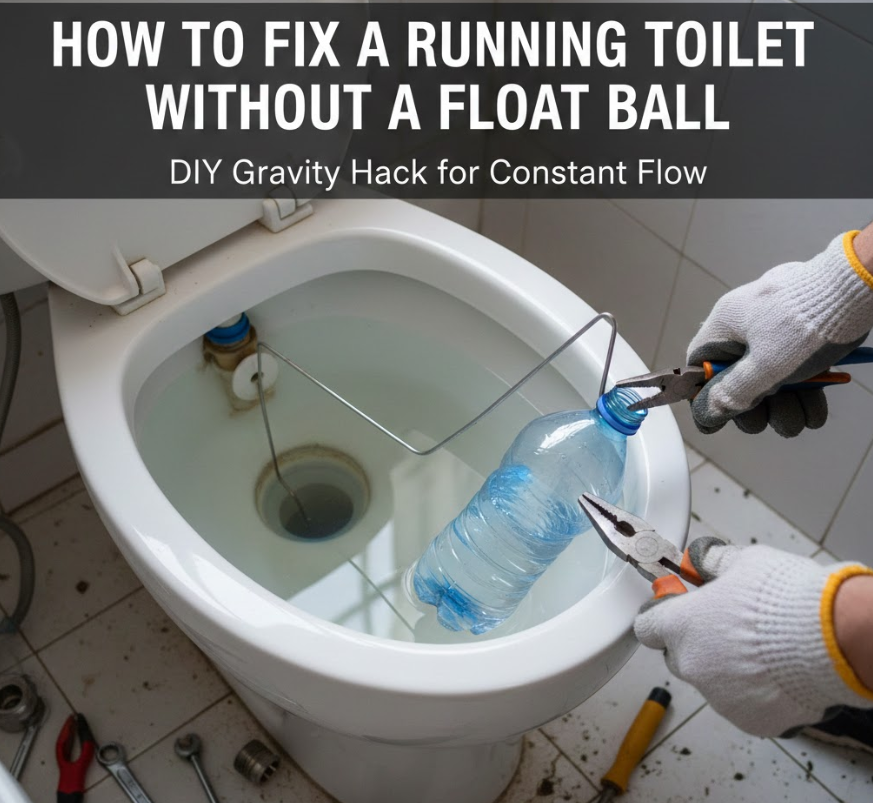
Floatless systems rely on pressure.
• Inspect pressure valve
Sensitive to debris.
• Clean inlet screen
Sediment causes malfunction.
• Adjust shut-off screw
Controls water level.
• Replace if inconsistent
Floatless valves fail suddenly.
• Check refill timing
Should stop automatically.
• Confirm stable pressure
Inconsistent pressure affects performance.
Also Read This:- How to Escape Sentinels NMS: The Ultimate Survival Guide for Explorers
How to Fix a Running Toilet Pump? (Macerator Systems)
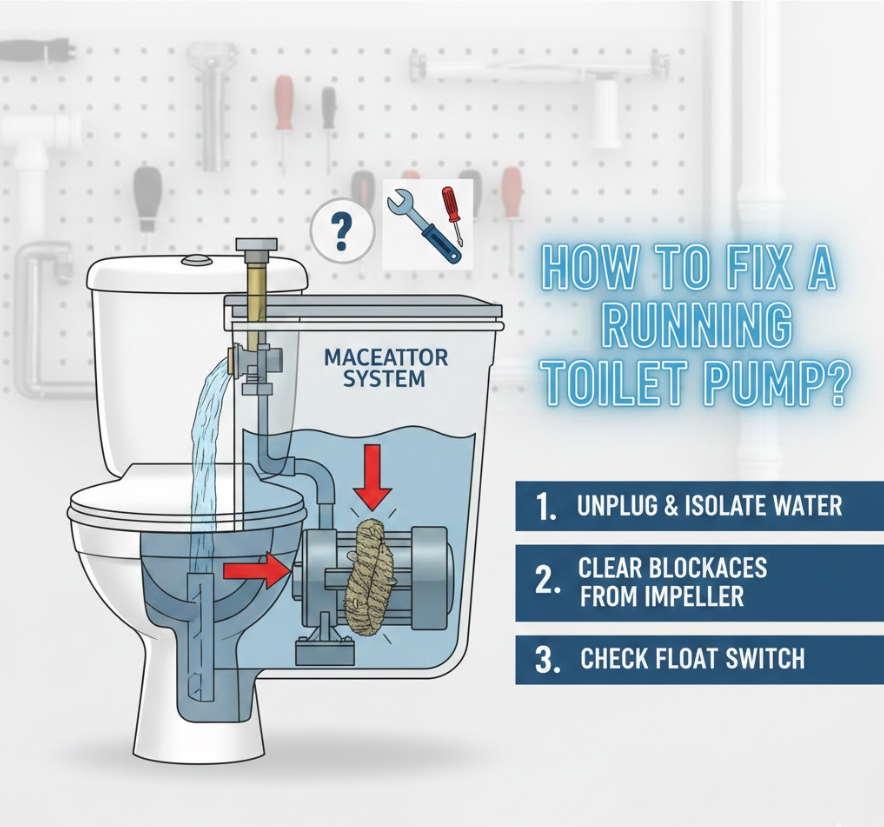
Pump toilets need electrical checks.
• Turn off power first
Electrical safety is critical.
• Inspect pump activation switch
Faulty sensors cause cycling.
• Check discharge line
Blockages trigger continuous running.
• Clean pump chamber
Debris affects sensors.
• Reset system
Follow manufacturer instructions.
• Call professional if needed
Pumps are complex systems.
How to Fix a Running Toilet YouTube (Learning Safely)
Video learning can help if used wisely.
• Choose licensed plumbers
Avoid misleading DIY advice.
• Match exact toilet model
General videos may mislead.
• Avoid shortcuts
Temporary fixes often fail.
• Pause and follow steps
Accuracy matters.
• Use manufacturer videos
Best source for brand-specific fixes.
• Confirm results physically
Always test after repair.
Conclusion: Fixing a Running Toilet Saves Water, Money, and Stress
Learning how to fix a running toilet empowers homeowners to solve one of the most common plumbing problems quickly and affordably. Most fixes require minimal tools, cost under $20, and take less than 30 minutes. Whether dealing with flappers, fill valves, floats, or modern dual-flush systems, understanding how your toilet works is the key to a permanent solution.
FAQs
How much water does a running toilet waste?
Up to 6,000 gallons per month.
Is a running toilet an emergency?
Not immediate, but costly if ignored.
Can I fix a running toilet myself?
Yes. Most fixes are beginner-friendly.
Visit For More Information Go To:- Standoutmagazine