 standoutmagazine01@gmail.com
Understanding how to clean a dishwasher is one of the most overlooked yet impactful steps in maintaining a hygienic, efficient kitchen. While dishwashers are designed to clean, they paradoxically accumulate grease, food debris, soap scum, mineral deposits, and bacteria over time. According to appliance maintenance studies, an unclean dishwasher can reduce cleaning efficiency by up to 30%, cause unpleasant odors, and shorten the appliance’s lifespan.
This in-depth guide is written with hands-on experience, manufacturer recommendations, and appliance-care best practices in mind. Whether you want to clean your dishwasher with vinegar, baking soda, or alternative methods, remove odors, tackle mold, or maintain drains and filters, this article explains everything clearly and safely.
How a Dishwasher Gets Dirty: Hidden Causes Most People Miss

Dishwashers trap microscopic food particles, grease vapors, detergent residue, and hard water minerals. These contaminants settle in filters, spray arms, seals, and drains.
Over time, moisture creates an ideal environment for bacteria and mold growth. Even high-temperature wash cycles cannot eliminate buildup trapped in hidden components. Regular cleaning restores performance, prevents odors, improves energy efficiency, and protects your dishes from contamination.
Also Read This:- How to Fix a Running Toilet: The Complete Step-by-Step Plumbing Guide
How to Clean a Dishwasher with Vinegar

Cleaning a dishwasher with vinegar is one of the most effective and affordable methods for removing mineral buildup and grease.
• White vinegar breaks down limescale caused by hard water deposits that coat internal surfaces.
• Place a dishwasher-safe bowl filled with vinegar on the top rack to distribute acidity evenly.
• Run a hot cycle without detergent to dissolve residue.
• Vinegar neutralizes odor-causing bacteria safely.
• This method improves spray arm performance.
• Vinegar helps clear soap scum buildup.
• Monthly vinegar cleaning prevents clog formation.
• It restores stainless steel shine.
• Vinegar is environmentally friendly and non-toxic.
• Avoid mixing vinegar with bleach due to chemical reactions.
Also Read This:- How to Become a Firefighter: A Complete Career Guide from Training to Hiring
How to Clean a Dishwasher Filter
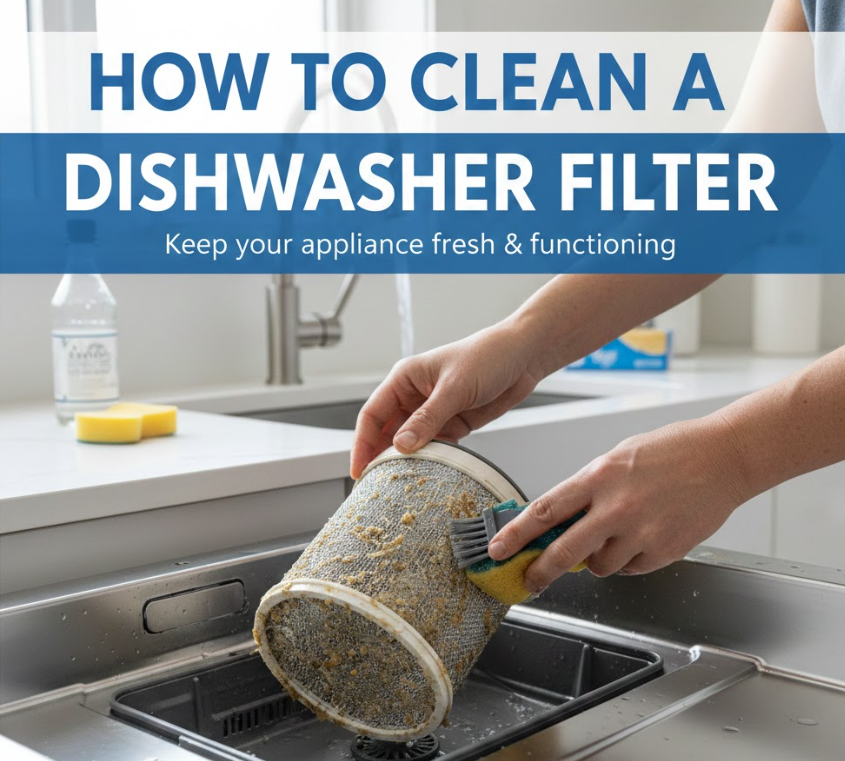
The dishwasher filter traps food debris and must be cleaned regularly.
• Filters prevent drain clogs and protect pump motors.
• Remove the bottom rack for easy access.
• Twist and lift the filter according to manufacturer instructions.
• Rinse under warm water to remove debris.
• Use a soft brush to dislodge grease.
• Avoid abrasive tools that damage mesh.
• Clean filters every 2–4 weeks.
• A clean filter improves drainage.
• Proper maintenance prevents odor buildup.
• Reinstall securely to ensure proper operation.
Also Read This:- How to Make Cold Brew Coffee: The Ultimate Guide
How to Clean a Dishwasher with Vinegar and Baking Soda

This method combines degreasing and deodorizing power.
• Vinegar dissolves mineral buildup.
• Baking soda neutralizes lingering odors.
• Run vinegar cycle first for deep cleaning.
• Sprinkle baking soda across the bottom afterward.
• Run a short hot cycle to refresh interior.
• This combination removes stains gently.
• Safe for most dishwasher interiors.
• Leaves interior smelling clean.
• Enhances wash performance.
• Ideal for monthly deep cleaning.
Also Read This:- How to Fold a Fitted Sheet: Step-by-Step Guide for Perfectly Neat Sheets
How to Clean a Dishwasher Drain and Drain Hose

Clogged drains cause standing water and odors.
• Food particles often accumulate in drain areas.
• Disconnect power before accessing drains.
• Remove debris manually with gloves.
• Use warm water to flush buildup.
• Vinegar helps dissolve grease inside hoses.
• Inspect hoses for kinks or damage.
• Clear drains improve drying performance.
• Regular maintenance prevents leaks.
• Avoid chemical drain cleaners.
• Proper drainage extends appliance life.
Also Read This:- How to Clean Dishwasher: The Complete Expert Guide for a Fresh, Efficient, and Long-Lasting Machine
How to Clean a Dishwasher That Smells

Odors indicate trapped bacteria or mold.
• Smells often originate from filters or seals.
• Clean gaskets with warm soapy water.
• Vinegar neutralizes odor-causing microbes.
• Baking soda absorbs lingering smells.
• Inspect spray arms for trapped debris.
• Clean drains regularly.
• Leave door slightly open after cycles.
• Avoid leaving dirty dishes inside too long.
• Use high-temperature cycles occasionally.
• Odor prevention improves hygiene.
Also Read This:- How to Boil Chicken: The Complete Step-by-Step Guide for Juicy, Safe, and Versatile Results
How to Clean a Dishwasher Inside Thoroughly
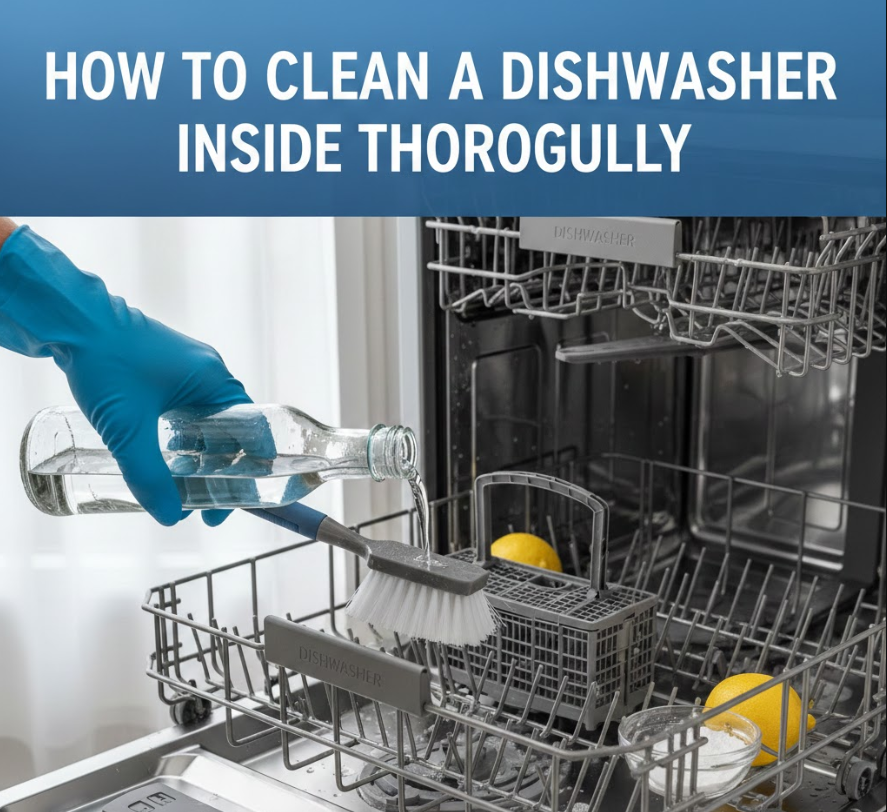
Interior cleaning ensures full sanitation.
• Wipe down walls with microfiber cloth.
• Clean spray arms using toothpicks.
• Remove mineral deposits manually.
• Clean racks to prevent rust stains.
• Use dishwasher-safe cleaners occasionally.
• Vinegar restores interior shine.
• Baking soda removes stains.
• Clean door edges and seals.
• Avoid harsh abrasives.
• Regular interior cleaning improves efficiency.
Also Read This:- How to Clean a Microwave: The Ultimate Step-by-Step Guide for a Fresh, Odor-Free Kitchen
How to Clean a Dishwasher Without Vinegar

Some users prefer vinegar-free methods.
• Baking soda is a safe alternative.
• Lemon juice provides mild acidity.
• Commercial cleaners offer convenience.
• Hot water cycles help dissolve grease.
• Manual scrubbing removes residue.
• Use citric acid-based cleaners.
• Avoid harsh chemicals.
• Suitable for sensitive materials.
• Eliminates odors safely.
• Maintains dishwasher longevity.
Also Read This:- How to Fix a Broken Monitor Screen: A Complete Practical Guide
How to Clean a Dishwasher with Bleach (When Appropriate)
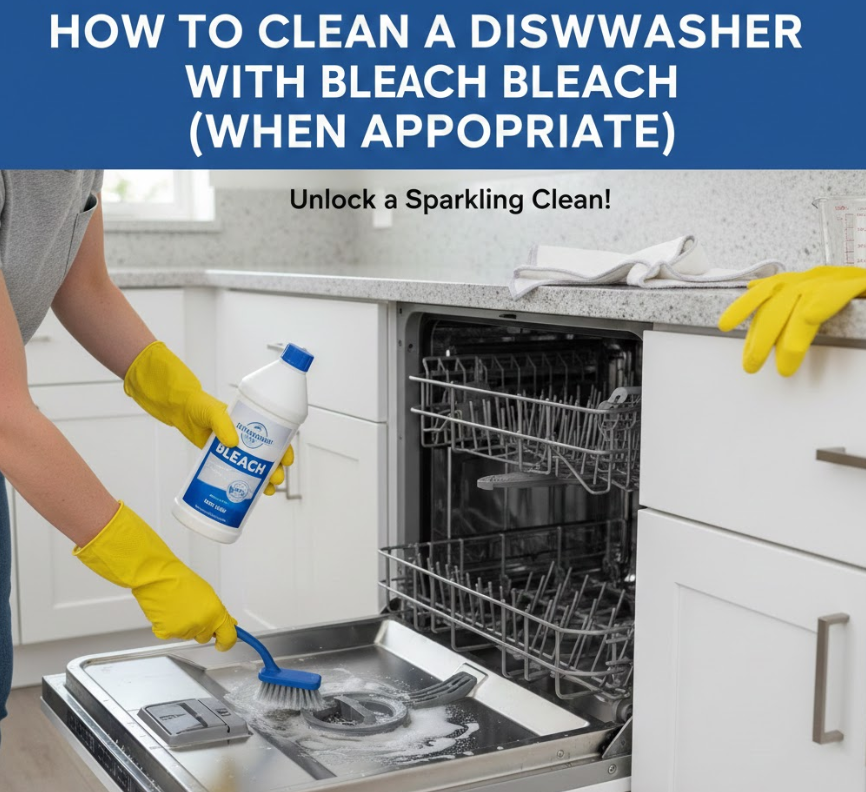
Bleach should be used cautiously.
• Bleach kills mold and bacteria.
• Only use in plastic interiors.
• Never mix bleach with vinegar.
• Run empty cycle with diluted bleach.
• Effective for severe mold issues.
• Rinse thoroughly afterward.
• Use infrequently to avoid damage.
• Follow manufacturer guidelines.
• Improves sanitation.
• Ideal for extreme contamination cases.
Also Read This:- How to Extract Mechlink RimWorld: Complete Mechanitor Progression Guide
How to Clean a Dishwasher with Mold

Mold thrives in moist environments.
• Mold appears on seals and corners.
• Wear gloves during cleaning.
• Use vinegar or diluted bleach carefully.
• Scrub affected areas gently.
• Dry interior thoroughly afterward.
• Improve ventilation after use.
• Clean seals regularly.
• Mold removal improves health safety.
• Prevent recurrence with maintenance.
• Persistent mold may require professional service.
Also Read This:- How to Escape Sentinels NMS: The Ultimate Survival Guide for Explorers
How to Clean a Dishwasher in the UK (Regional Considerations)
UK homes often experience hard water issues.
• Hard water causes limescale buildup.
• Vinegar and citric acid are effective.
• Use UK-approved cleaners.
• Clean filters more frequently.
• Salt compartments require inspection.
• Descaling improves performance.
• Follow manufacturer guidance.
• Eco cycles may need supplementation.
• Regular maintenance saves energy.
• Hard water awareness is essential.
Conclusion: Mastering How to Clean a Dishwasher for Long-Term Performance
Learning how to clean a dishwasher properly protects your health, improves cleaning efficiency, and extends appliance lifespan. Whether you use vinegar, baking soda, bleach, or alternative methods, consistent maintenance prevents odors, mold, and costly repairs. A clean dishwasher means cleaner dishes, lower energy usage, and a safer kitchen environment.
Frequently Asked Questions
How often should I clean my dishwasher?
A light cleaning monthly and filter cleaning every 2–4 weeks is ideal.
Is vinegar safe for all dishwashers?
Yes, when used correctly and not mixed with bleach.
Can a dirty dishwasher make dishes smell?
Yes, buildup and bacteria can transfer odors to clean dishes.
Visit For More Information Go To:- Standoutmagazine