 standoutmagazine01@gmail.com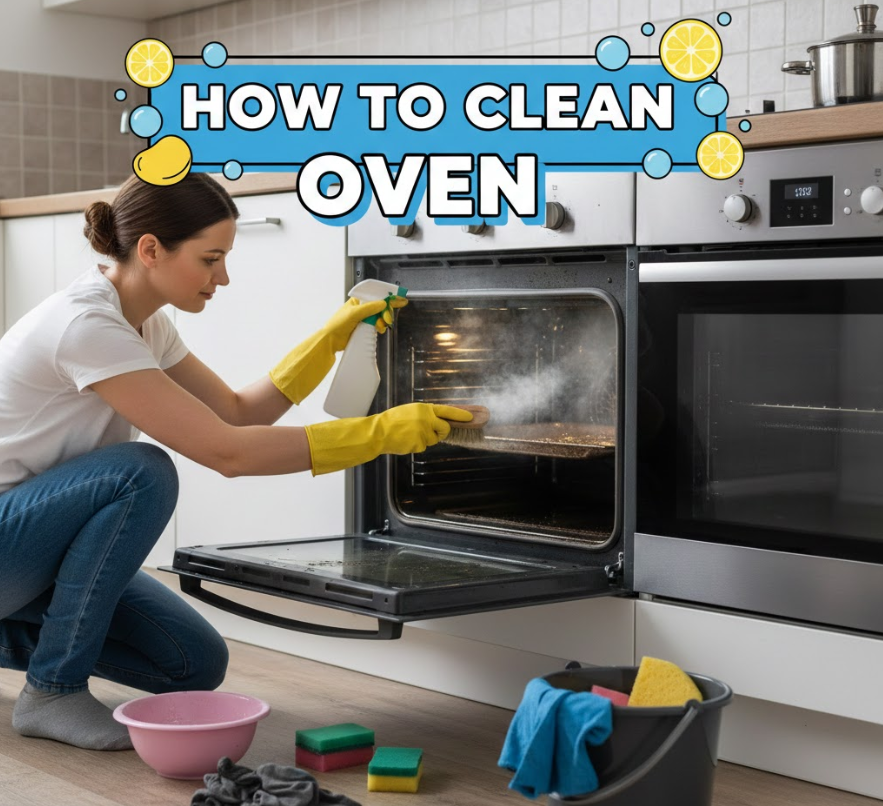
Learning how to clean oven correctly is essential for maintaining a healthy kitchen, improving cooking performance, and extending the life of your appliance. Over time, ovens accumulate grease, burnt food residue, and carbon buildup that not only affects flavor but can also produce smoke, odors, and even fire hazards. According to home safety studies, dirty ovens are among the most common sources of kitchen smoke incidents, especially during high-temperature cooking.
Many people delay oven cleaning because they assume it requires harsh chemicals, heavy scrubbing, or professional services. In reality, modern oven cleaning methods—especially natural and chemical-free solutions—make the process manageable, safe, and cost-effective. This guide is written using real-world cleaning experience, appliance care best practices, and trusted household science, ensuring accurate, helpful advice you can trust.
How to Clean Oven Racks
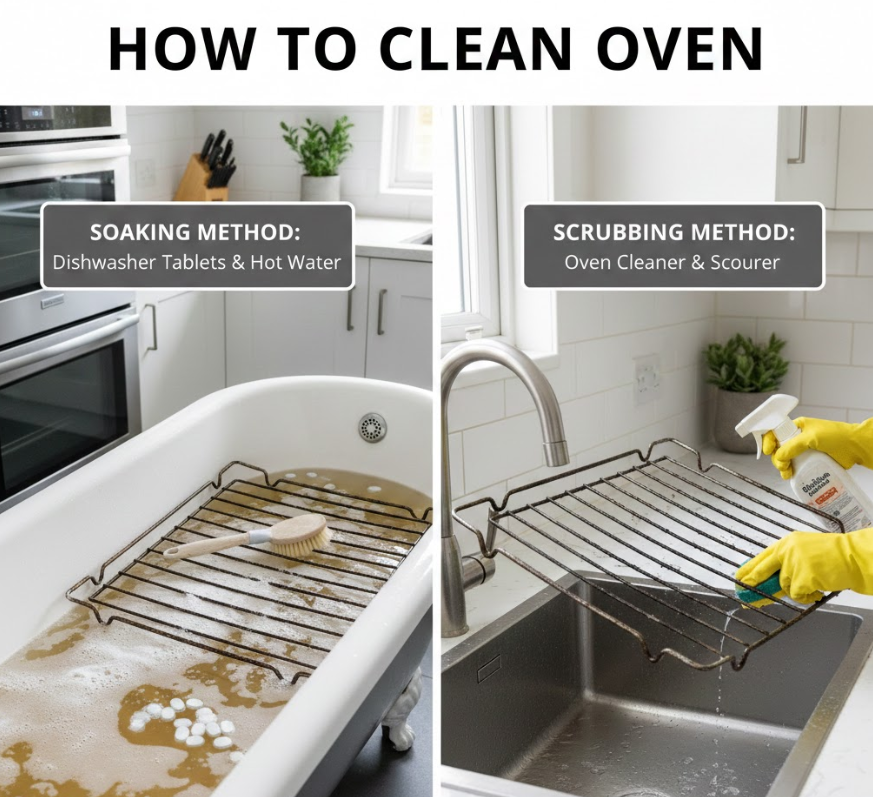
Cleaning oven racks restores proper airflow and prevents smoke caused by grease buildup. Oven racks often accumulate the heaviest grime because they directly support food and cookware.
Effective Methods for Cleaning Oven Racks Thoroughly
• Soaking racks in hot water and dish soap
Submerging racks in a bathtub or large container loosens hardened grease and baked-on residue. Heat activates grease breakdown, making removal easier without aggressive scrubbing.
• Using baking soda paste for deep grime
A thick baking soda and water paste clings to rack surfaces, breaking down carbonized food over several hours.
• Scrubbing with non-abrasive tools
Nylon brushes or microfiber cloths protect rack coating while removing residue.
• Rinsing thoroughly after soaking
Leftover cleaner residue can cause smoke during cooking.
• Drying completely before reinserting
Moisture can lead to rust or odor buildup.
• Regular maintenance cleaning
Monthly light cleaning prevents heavy buildup and reduces future effort.
Also Read This:- How to Make Porridge in Grow a Garden: A Complete Guide
How to Clean Oven Glass

Oven glass traps grease splatter and carbon stains that block visibility and retain odors.
Safe and Effective Oven Glass Cleaning Techniques
• Baking soda paste application
Baking soda gently breaks down grease without scratching glass.
• Warm water activation
Heat helps dissolve stubborn stains.
• Microfiber wiping motions
Prevents streaks and scratches.
• Avoiding razor blades
Metal tools damage tempered glass.
• Final vinegar wipe for clarity
Restores transparency and shine.
• Routine cleaning schedule
Prevents heavy staining buildup.
Also Read This:- How to Make Homemade Ice Cream: The Ultimate Guide
How to Clean Oven Door Glass
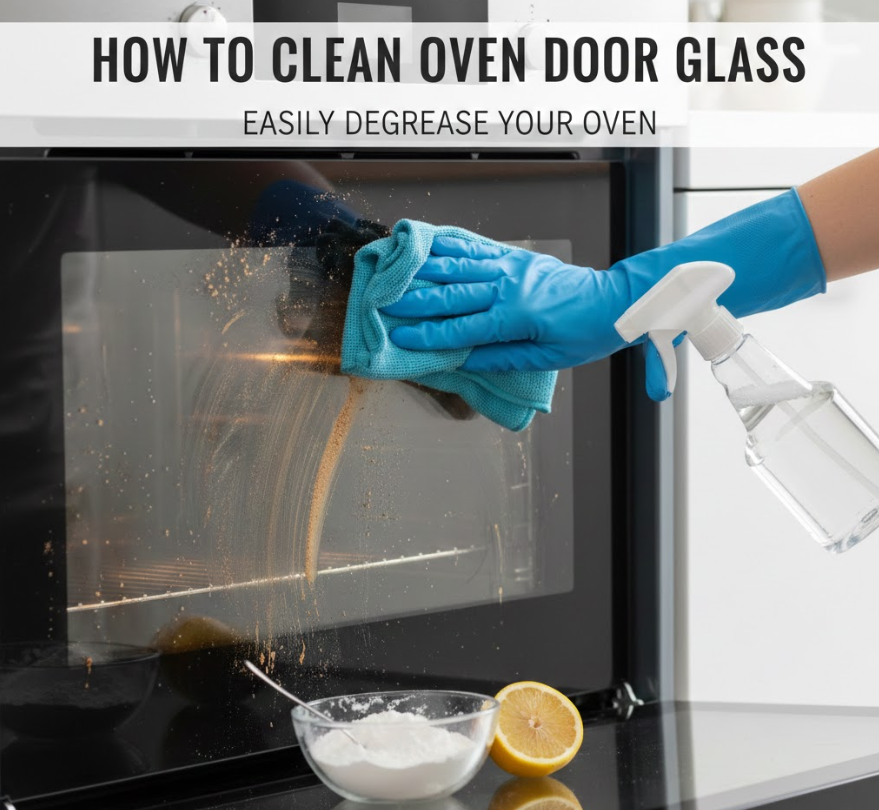
Oven door glass requires careful handling to avoid damaging seals or hinges.
Best Practices for Cleaning Oven Door Glass Safely
• Removing surface grease first
Loose debris should be wiped before applying cleaners.
• Using non-toxic cleaners
Protects indoor air quality.
• Cleaning edges and corners
Grease often hides near seals.
• Avoid soaking door hinges
Excess moisture damages door mechanisms.
• Drying with lint-free cloth
Prevents streaks.
• Checking door seal afterward
Ensures proper heat retention.
Also Read This:- How to Make Dubai Chocolate: The Ultimate Guide
How to Clean Oven Without Scrubbing
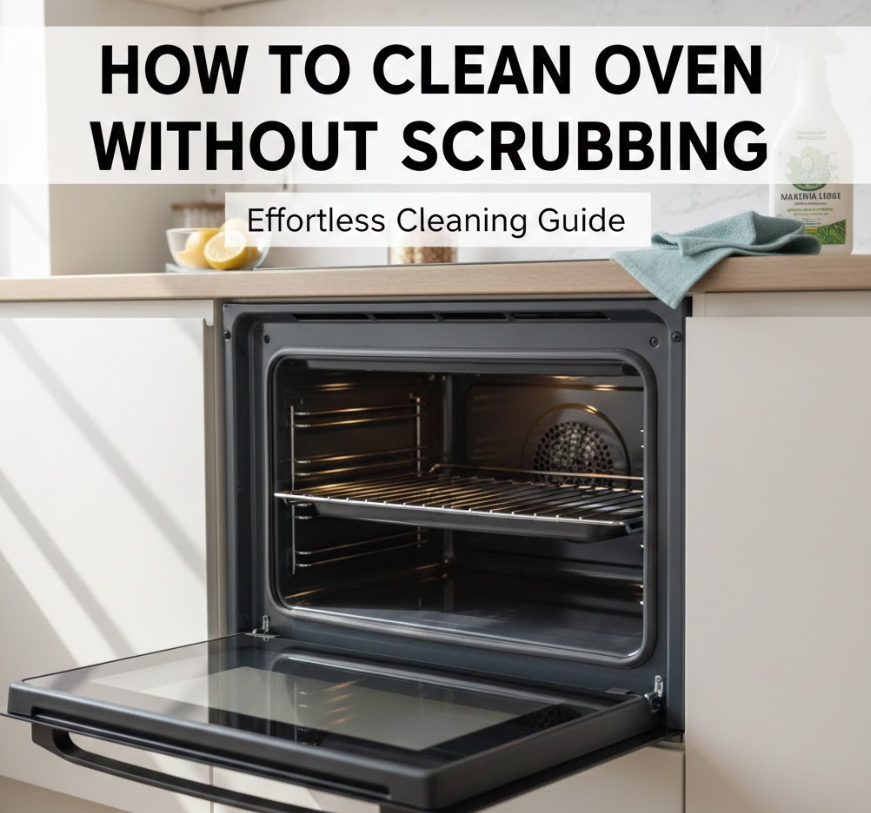
Scrubbing is unnecessary when chemical reactions do the work for you.
No-Scrub Oven Cleaning Strategies
• Extended soaking time
Allow cleaners to break bonds naturally.
• Steam activation methods
Heat loosens baked-on grime.
• Natural acidic solutions
Break down grease chemically.
• Covering treated areas
Prevents evaporation and improves results.
• Gentle wiping instead of force
Protects oven surfaces.
• Consistent light cleaning
Reduces need for scrubbing.
Also Read This:- How to Clean a Dishwasher: The Complete, Expert-Backed Guide for a Fresh, Efficient Appliance
How to Clean Oven Naturally

Natural oven cleaning avoids harsh fumes and skin irritation.
Benefits of Natural Oven Cleaning Methods
• Improved indoor air quality
No toxic fumes or residue.
• Safe for pets and children
No chemical exposure risks.
• Cost-effective household ingredients
Uses items already in most kitchens.
• Environmentally friendly
Reduces chemical waste.
• Effective grease breakdown
Natural acids and abrasives work efficiently.
• Safe for long-term appliance health
No corrosive damage.
Also Read This:- How to Become a Firefighter: A Complete Career Guide from Training to Hiring
How to Clean Oven With Baking Soda
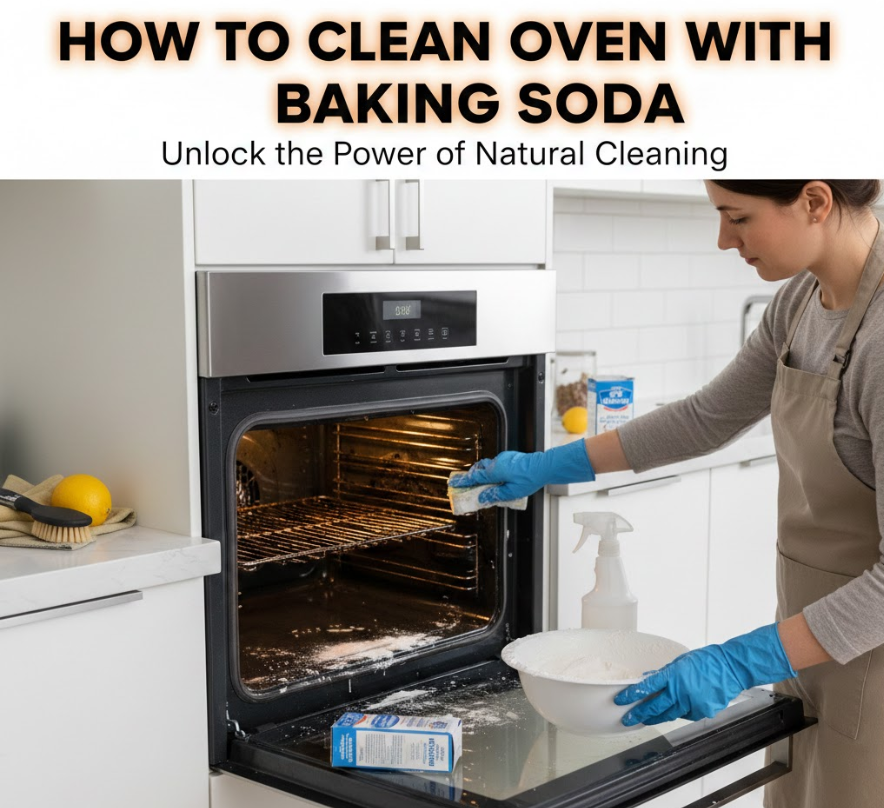
Baking soda is the most trusted natural oven cleaner.
Baking Soda Oven Cleaning Process
• Creating a thick paste
Improves adhesion to oven surfaces.
• Applying evenly inside oven
Ensures consistent results.
• Allowing overnight dwell time
Maximizes grease breakdown.
• Wiping with damp cloth
Removes loosened grime.
• Using vinegar for residue removal
Activates fizzing reaction.
• Final rinse and dry
Prepares oven for use.
Also Read This:- How to Make Cold Brew Coffee: The Ultimate Guide
How to Clean Oven Without Oven Cleaner
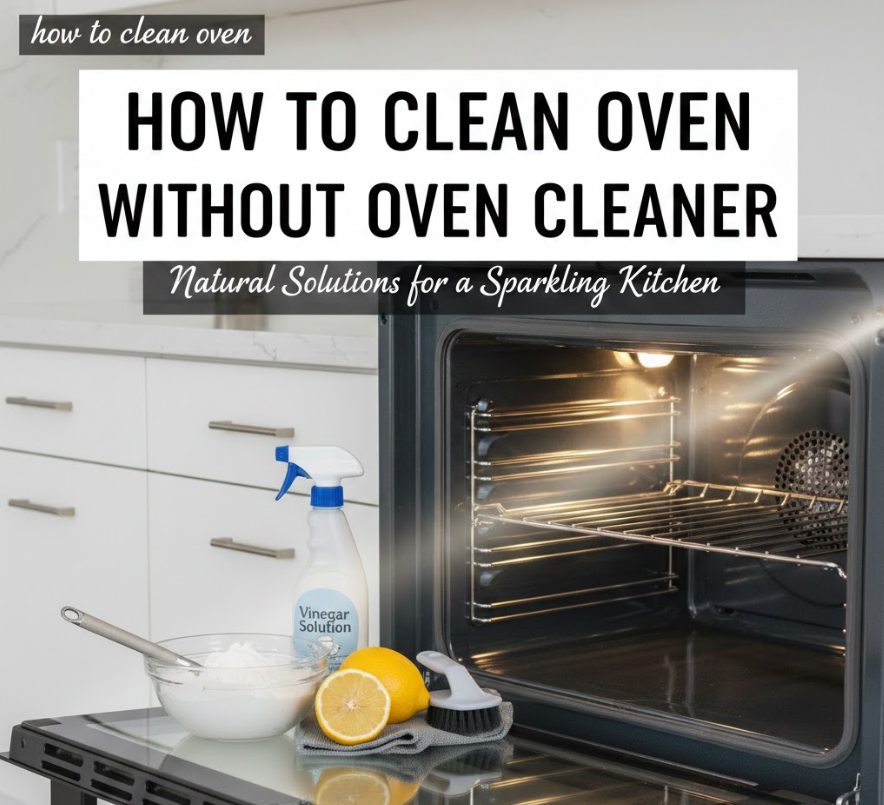
Commercial oven cleaners are not required for effective cleaning.
Alternatives to Chemical Oven Cleaners
• Baking soda and vinegar
Proven natural solution.
• Lemon steam cleaning
Cuts grease and deodorizes.
• Dish soap solutions
Gentle yet effective.
• Salt abrasion for spills
Absorbs grease.
• Steam cleaning with water
Softens residue.
• Routine maintenance
Prevents extreme buildup.
Also Read This:- How to Fold a Fitted Sheet: Step-by-Step Guide for Perfectly Neat Sheets
How to Clean Oven Bottom
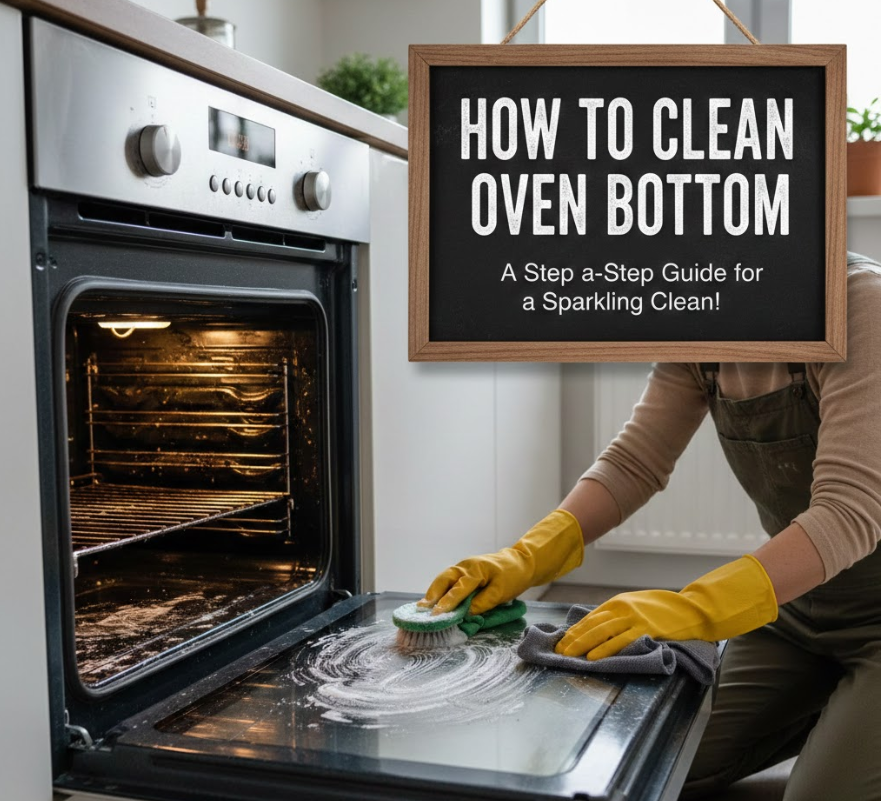
The oven bottom collects spills and burnt food debris.
Cleaning the Oven Bottom Safely
• Removing loose debris first
Prevents spreading grime.
• Applying baking soda paste
Targets carbon buildup.
• Allowing long soak time
Softens hardened residue.
• Avoiding heating elements
Prevents damage.
• Gentle scraping with plastic tools
Protects enamel.
• Final wipe and dry
Ensures safe operation.
Also Read This:- How to Clean Dishwasher: The Complete Expert Guide for a Fresh, Efficient, and Long-Lasting Machine
How to Clean Oven Racks Without Scrubbing
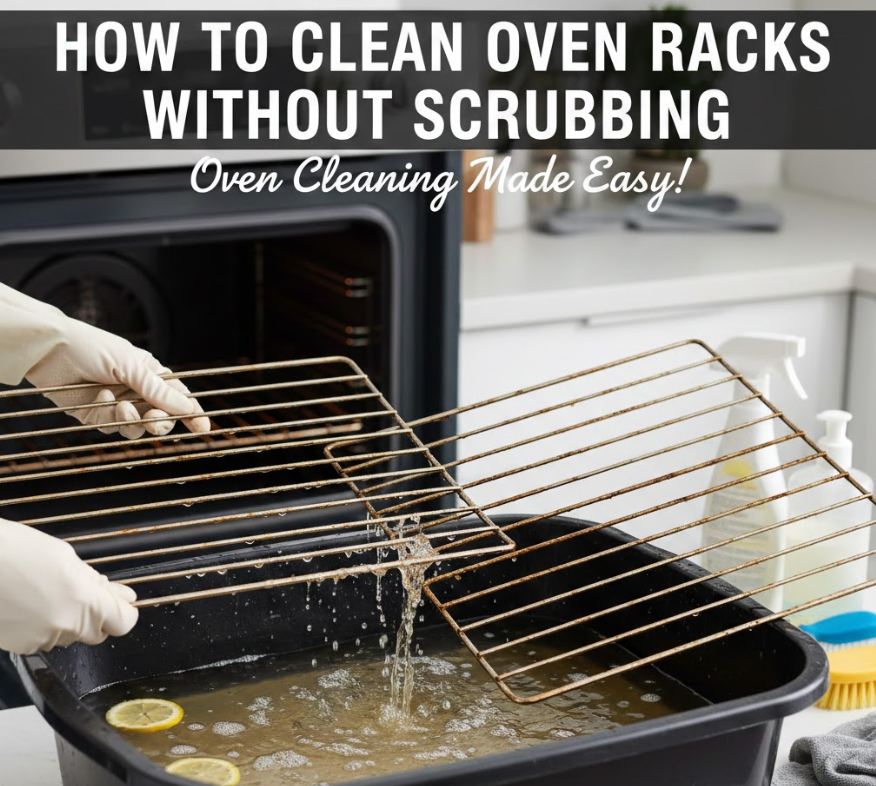
This method is ideal for heavily soiled racks.
No-Scrub Rack Cleaning Techniques
• Bathtub soaking method
Uses gravity and heat.
• Laundry detergent soaking
Breaks grease bonds.
• Aluminum foil insulation
Enhances cleaning reaction.
• Extended soak duration
Minimizes manual work.
• Rinsing thoroughly
Removes residue.
• Drying fully before use
Prevents rust.
Also Read This:- How to Boil Chicken: The Complete Step-by-Step Guide for Juicy, Safe, and Versatile Results
How to Clean Oven Grates
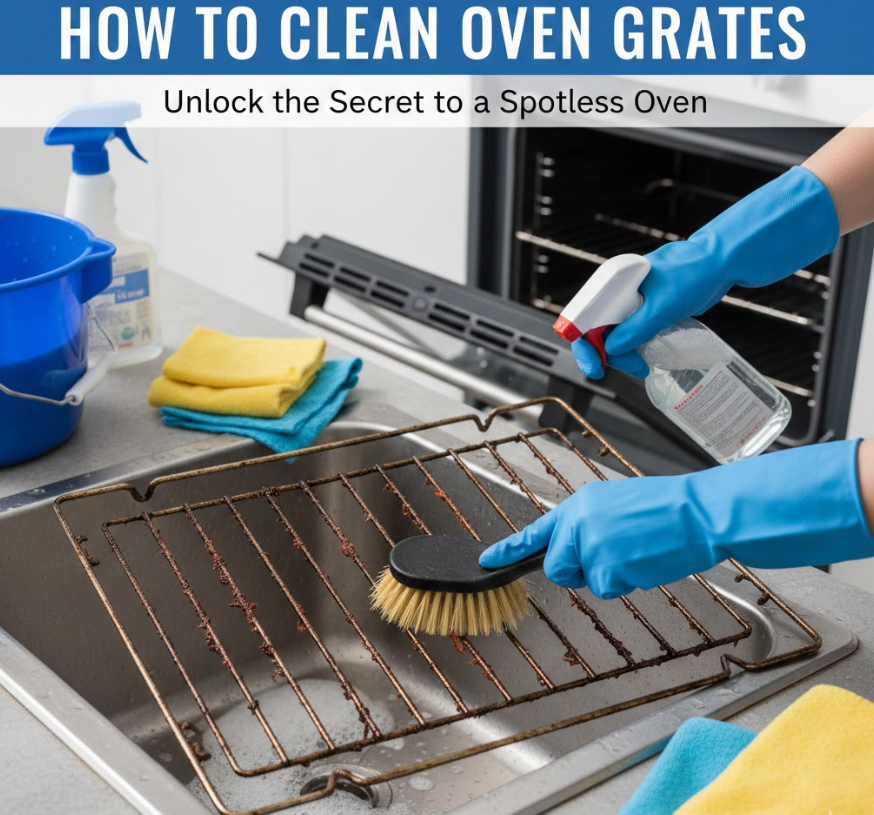
Oven grates require gentle handling to preserve finish.
Grate-Specific Cleaning Tips
• Removing from oven first
Allows full access.
• Soaking in warm solution
Loosens grime.
• Avoiding steel wool
Prevents scratching.
• Using soft brushes
Protects coating.
• Rinsing completely
Avoids residue smoke.
• Regular light cleaning
Prevents buildup.
Also Read This:- How to Fix a Running Toilet: The Complete Step-by-Step Plumbing Guide
How to Clean Oven Door Glass Inside
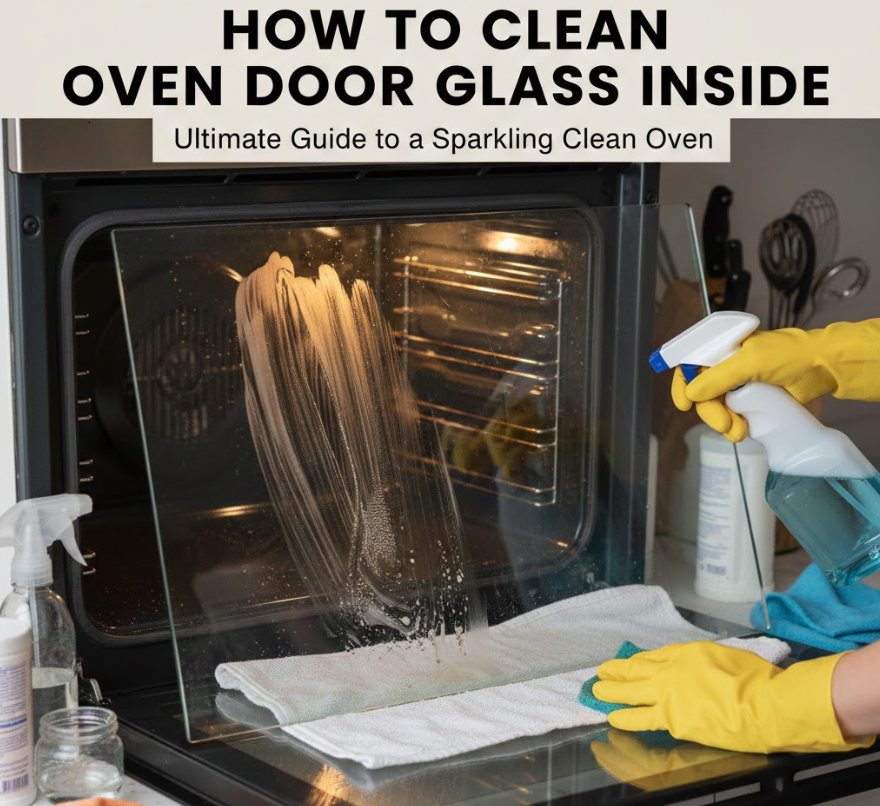
Interior door glass traps grease invisibly.
Cleaning Inside Oven Door Glass
• Consulting manufacturer guide
Some doors are removable.
• Accessing inner panels carefully
Avoids breakage.
• Using minimal moisture
Protects insulation.
• Gentle natural cleaners
Prevent streaks.
• Drying thoroughly
Prevents fogging.
• Reassembling securely
Ensures safety.
Also Read This:- How to Clean a Microwave: The Ultimate Step-by-Step Guide for a Fresh, Odor-Free Kitchen
How to Clean Oven Without Chemicals

Chemical-free cleaning protects health and environment.
Chemical-Free Oven Cleaning Methods
• Baking soda abrasion
Natural and safe.
• Vinegar acidity
Cuts grease.
• Lemon steam
Deodorizes naturally.
• Hot water steam
Softens residue.
• Salt absorption
Targets fresh spills.
• Preventive cleaning habits
Reduce buildup.
Also Read This:- What Does PCT Stand for Aceable? A Comprehensive Guide
How to Clean Oven With Lemon
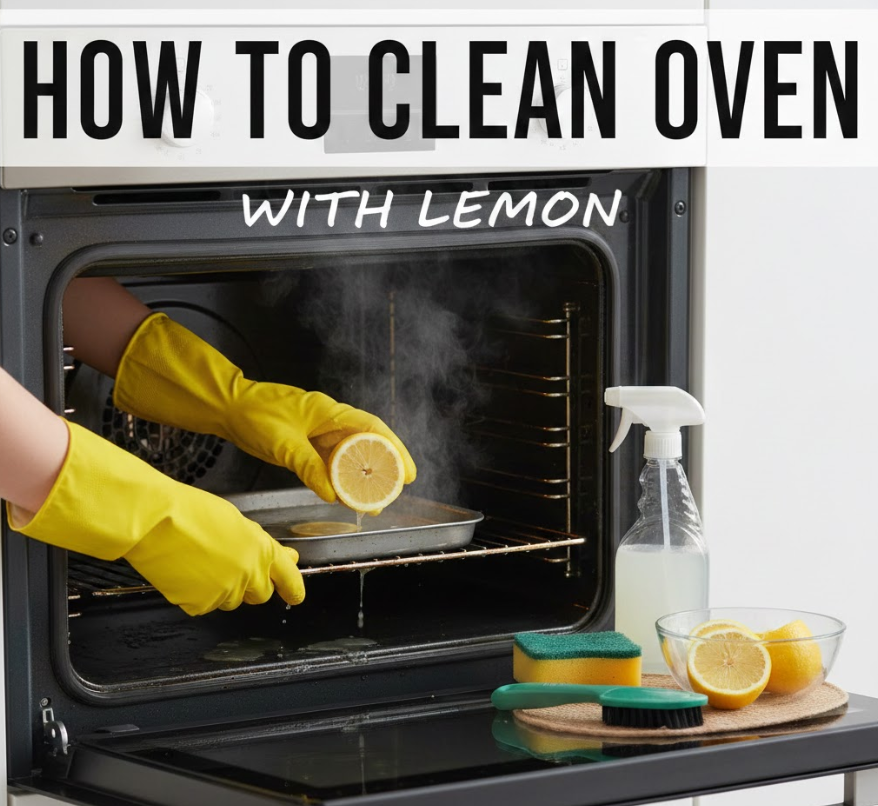
Lemon provides natural degreasing power.
Lemon-Based Oven Cleaning Method
• Steam activation
Heat releases oils.
• Natural acidity
Breaks grease bonds.
• Pleasant scent
Eliminates odors.
• Safe for enamel surfaces
Non-corrosive.
• Easy wipe-down
Minimal effort.
• Regular deodorizing maintenance
Keeps oven fresh.
Also Read This:- What Does Navy SEAL Training Consist Of? A Complete Guide
How to Clean Oven With Baking Soda and Vinegar
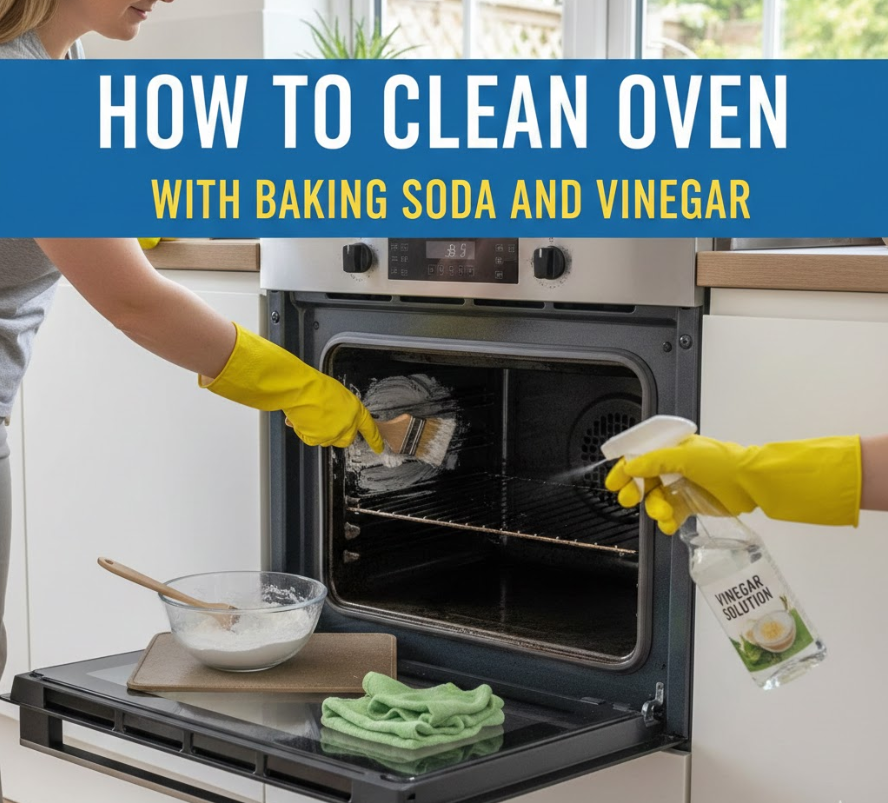
This combination creates a powerful cleaning reaction.
Baking Soda and Vinegar Cleaning Steps
• Paste application
Targets grime.
• Vinegar spray activation
Creates fizzing reaction.
• Chemical breakdown of grease
No toxins involved.
• Extended dwell time
Improves effectiveness.
• Gentle wipe removal
Protects surfaces.
• Final rinse
Ensures cleanliness.
Also Read This:- What Does Dibosia Mean? A Complete and In-Depth Explanation
How to Clean Oven Glass Inside
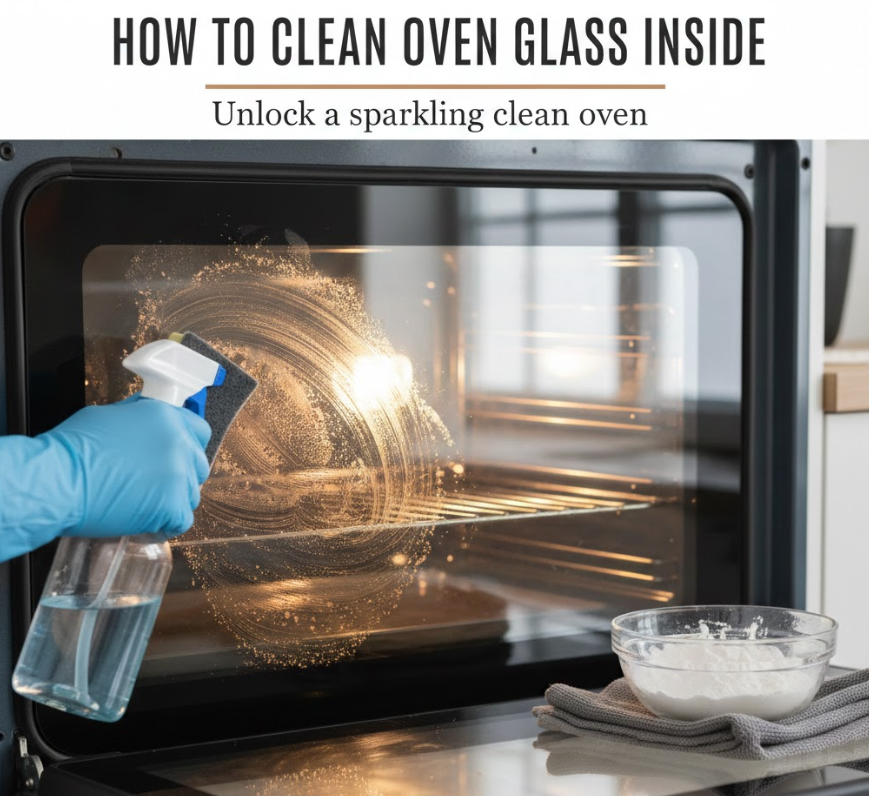
Interior glass needs streak-free cleaning.
Interior Oven Glass Care
• Avoid excessive water
Prevents damage.
• Use microfiber cloths
Prevents scratching.
• Apply gentle cleaners
Maintains clarity.
• Dry completely
Prevents fogging.
• Inspect seals
Ensure insulation integrity.
• Routine cleaning
Avoids buildup.
Also Read This:- How to Fix a Broken Monitor Screen: A Complete Practical Guide
How to Clean Oven With Vinegar
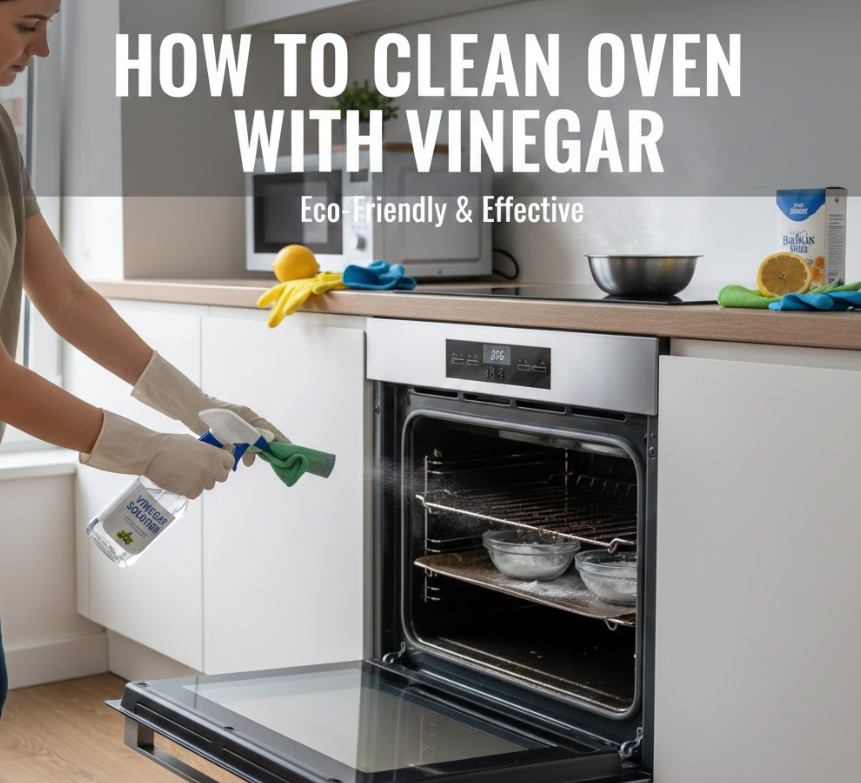
Vinegar is a powerful natural degreaser.
Vinegar-Based Oven Cleaning
• Acidic grease breakdown
Dissolves residue.
• Steam-assisted cleaning
Improves results.
• Safe surface application
Non-toxic.
• Odor neutralization
Eliminates smells.
• Cost-effective solution
Household staple.
• Maintenance cleaning
Prevents heavy buildup.
Conclusion
Mastering how to clean oven properly protects your health, improves cooking results, and extends appliance lifespan. By using natural methods like baking soda, vinegar, and lemon, you can achieve professional-level cleanliness without harsh chemicals or excessive scrubbing. Consistent maintenance and safe techniques ensure your oven remains efficient, odor-free, and safe for years to come.
FAQs
How often should I clean my oven?
Light cleaning monthly, deep cleaning every 3–6 months.
Is baking soda safe for all ovens?
Yes, including electric and gas ovens.
Can vinegar damage oven surfaces?
No, when diluted and used properly.
Does self-clean mode replace manual cleaning?
No, manual cleaning is safer and gentler.
Visit For More Information Go To:- Standoutmagazine