
 standoutmagazine01@gmail.com
Growing your own ingredients and transforming them into wholesome porridge is one of the most rewarding experiences a gardener can have. Learning how to make porridge in grow a garden not only promotes self-sufficiency but also ensures the freshest, most nutritious meal straight from your backyard. This guide will explore step-by-step methods to prepare traditional and prismatic porridge using garden-grown ingredients, tips for maximizing flavor, and ways to incorporate colorful vegetables and grains for a nutritional boost.
By integrating gardening and cooking, you can enjoy a sustainable lifestyle that emphasizes health, creativity, and environmental responsibility. Whether you’re a seasoned gardener or just starting, this guide provides in-depth insights into harvesting, processing, and cooking your garden-grown ingredients to perfection.
Understanding Porridge and Its Garden Potential
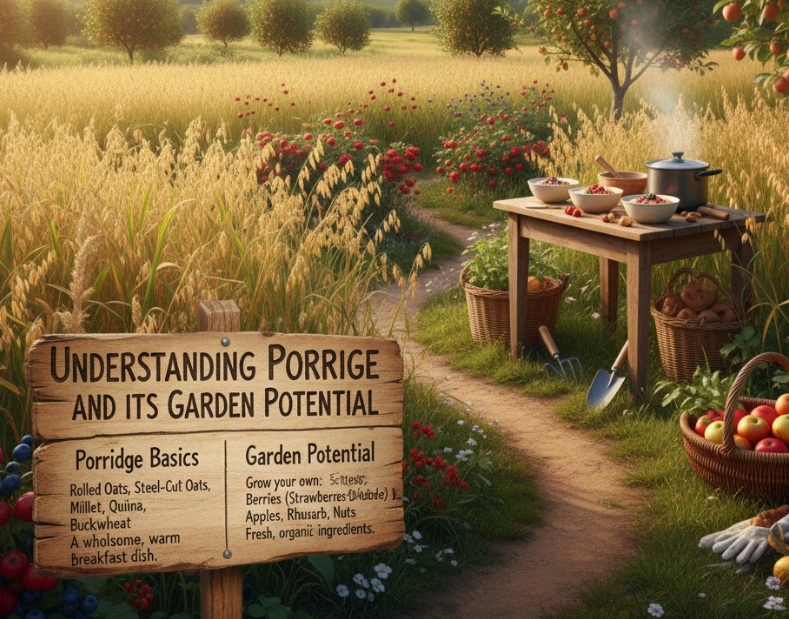
Porridge is a versatile, nutrient-rich dish made from grains or legumes boiled in water or milk. When paired with ingredients grown in your garden, porridge becomes an even more wholesome meal. Understanding how to make a porridge in grow a garden requires knowledge of both gardening and cooking techniques, ensuring that the ingredients are fresh, organic, and complementary in flavor.
Definition and Benefits of Porridge
Porridge is a simple dish with immense health benefits. It can be made from oats, quinoa, rice, or other grains, which are easy to grow or source locally. Adding garden-grown vegetables, fruits, and herbs enhances both the taste and nutritional value. Regularly consuming porridge supports digestive health, provides sustained energy, and promotes a feeling of fullness—perfect for gardeners who need stamina for planting and harvesting.
- . Nutritional Value from Garden Ingredients
Using ingredients like spinach, carrots, or berries from your garden enriches porridge with vitamins, minerals, and antioxidants. For instance, freshly harvested spinach can boost iron and vitamin K content, while home-grown berries add fiber and natural sweetness. - . Sustainable Eating Practices
Preparing porridge from garden produce reduces reliance on packaged foods, lowers your carbon footprint, and promotes sustainable eating habits. By harvesting and cooking at home, you also reduce food waste by using imperfect or surplus vegetables. - . Culinary Creativity
Garden-grown ingredients allow for endless experimentation. For example, adding herbs like mint or basil creates unique flavor profiles, while colorful root vegetables enhance visual appeal. - . Cost-Effective Nutrition
Growing your grains and vegetables ensures a constant supply of affordable, nutritious ingredients, minimizing grocery costs and supporting a self-sufficient lifestyle. - . Easy Integration into Daily Meals
Porridge can be a breakfast staple, a hearty lunch, or a comforting dinner option. By incorporating your garden harvest, it becomes a versatile dish adaptable to seasonal produce. - . Promotes Mindful Eating
Cooking with your own garden ingredients encourages mindfulness, fostering a deeper connection with the food you consume and the process behind it.
Also Read This:- How to Make Homemade Ice Cream: The Ultimate Guide
Choosing the Right Ingredients from Your Garden

To master how to make prismatic porridge in grow a garden, selecting the right ingredients is crucial. The choice of grains, vegetables, fruits, and herbs determines the dish’s flavor, texture, and nutritional profile. Emphasizing fresh, organic, and in-season produce will enhance both taste and health benefits.
Grains and Legumes
Grains are the foundation of porridge. Oats, barley, and millet are common choices, but you can also experiment with quinoa or amaranth for a protein-rich alternative. Growing your own grains may require more space, but small-scale options like container-grown oats or sprouted legumes are highly effective.
- . Oats
Oats are nutrient-dense and provide a creamy texture. Home-grown oats can be harvested, cleaned, and cooked directly into porridge, offering unmatched freshness. - . Barley
Barley adds a chewy texture and high fiber content. Sprouting barley before cooking increases nutrient availability and enhances digestibility. - . Quinoa
Quinoa is a protein-packed grain perfect for prismatic porridge. Growing it in garden beds allows for control over soil quality, ensuring organic and chemical-free produce. - . Lentils
Lentils are an excellent source of protein and fiber. Incorporating home-grown lentils into porridge boosts nutritional density and adds heartiness. - . Millet
Millet cooks quickly and is naturally gluten-free. Garden-grown millet seeds can be stored long-term for continuous porridge preparation. - . Rice
While more labor-intensive to grow, rice from a backyard garden or small paddy adds a unique texture and mild flavor to porridge.
Also Read This:- How to Make Dubai Chocolate: The Ultimate Guide
Incorporating Prismatic Vegetables for Flavor and Color

Prismatic porridge is all about visual appeal and diverse nutrients. Garden-grown vegetables like carrots, beets, and sweet potatoes add vibrant colors, while leafy greens like kale or spinach enhance both taste and vitamins.
Benefits of Colorful Garden Ingredients
Adding colorful vegetables transforms ordinary porridge into a prismatic dish rich in antioxidants and phytonutrients. The diversity of colors also reflects a diversity of nutrients, which is essential for a balanced diet.
- . Carrots
Rich in beta-carotene, carrots provide natural sweetness and an orange hue. Roasting or steaming before adding to porridge enhances their flavor. - . Beets
Beets offer a deep red color and high folate content. They can be boiled, grated, or pureed for a smooth consistency in prismatic porridge. - . Sweet Potatoes
Sweet potatoes supply complex carbohydrates and vitamins A and C. Their soft texture blends well into porridge, making it creamy and flavorful. - . Spinach
Leafy greens like spinach are packed with iron and antioxidants. Lightly sautéing or adding fresh leaves preserves nutrients and enhances taste. - . Zucchini
Zucchini contributes moisture and mild flavor, creating a well-balanced porridge texture. It also complements sweeter or spicier vegetables in prismatic porridge. - . Bell Peppers
Bell peppers introduce crunch, vibrant color, and vitamin C. Roasted or lightly sautéed peppers can make porridge visually stunning and nutritionally dense.
Also Read This:- How to Clean a Dishwasher: The Complete, Expert-Backed Guide for a Fresh, Efficient Appliance
Step-by-Step Guide to Making Porridge in Your Garden

Cooking porridge with home-grown ingredients is both simple and rewarding. The following steps demonstrate how to make porridge in grow a garden efficiently while maximizing flavor and nutrition.
Preparation and Cooking Techniques
Proper preparation ensures that grains cook evenly and vegetables retain their nutrients. Attention to water ratios, cooking times, and seasoning enhances the final dish.
- . Harvesting Fresh Ingredients
Pick vegetables, grains, and herbs early in the morning for peak freshness. Avoid overripe or damaged produce to maintain flavor and nutritional quality. - . Cleaning and Prepping Grains
Wash grains thoroughly and soak them if necessary to reduce cooking time and improve digestibility. This step also removes any residual dust or impurities. - . Cooking the Base
Boil grains in water or milk, adjusting the ratio based on desired consistency. Stir frequently to prevent sticking and achieve a creamy texture. - . Adding Vegetables and Fruits
Incorporate garden-grown vegetables and fruits during cooking. Softer ingredients like berries or zucchini can be added near the end, while denser vegetables like carrots require longer cooking. - . Seasoning for Flavor
Use natural sweeteners like honey or maple syrup, and spices like cinnamon or nutmeg, to enhance taste. Fresh herbs from the garden also elevate flavor profiles. - . Serving and Garnishing
Top porridge with seeds, nuts, or edible flowers for a prismatic effect. Presentation not only boosts appeal but encourages mindful eating.
Also Read This:- How to Become a Firefighter: A Complete Career Guide from Training to Hiring
Advanced Tips for Prismatic Porridge
Creating a visually stunning and flavorful porridge requires advanced techniques that combine culinary artistry and gardening knowledge. Learning how to make prismatic porridge in grow a garden involves layering colors, textures, and nutrients for maximum impact.
Techniques for Nutrient-Rich and Colorful Porridge
Using prismatic vegetables, fruits, and grains ensures that porridge is both delicious and visually appealing. Proper cooking and presentation can make a simple dish extraordinary.
- . Layering Colors
Combine bright vegetables and fruits strategically for a rainbow effect. Alternate red, orange, green, and purple ingredients to create a visually striking dish. - . Balancing Flavors
Use sweet, earthy, and savory ingredients together for complex flavors. For example, pair sweet carrots with earthy beets and nutty grains. - . Enhancing Texture
Add crunch with seeds or nuts, soft vegetables, and creamy grains. Varying textures improves the eating experience and keeps each bite interesting. - . Using Edible Flowers
Marigold petals, nasturtiums, or violets add elegance and visual appeal. They also provide subtle flavors and additional antioxidants. - . Cooking with Minimal Water Loss
Steaming or simmering gently preserves nutrients and colors. Avoid overcooking to prevent vegetables from becoming mushy. - . Rotating Seasonal Ingredients
Use seasonal harvests for freshness and peak nutrient content. Adapt recipes to include spring greens, summer berries, or autumn root vegetables.
Conclusion
Learning how to make porridge in grow a garden combines the joy of gardening with the satisfaction of cooking. By selecting fresh, home-grown grains, vegetables, and fruits, you can prepare nutrient-dense, prismatic porridge that delights both the palate and the eyes. Sustainable, cost-effective, and full of creative potential, this approach encourages mindful eating and a deeper connection with your food.
FAQs About Porridge in a Garden
How often should I make porridge from garden produce?
Porridge can be made daily or a few times per week, depending on your garden harvest. Fresh, in-season produce maximizes taste and nutrition.
Can I grow grains like oats or quinoa in a small garden?
Yes, small-scale container gardens or raised beds are suitable for grains. Sprouting them indoors is another viable option.
What makes porridge “prismatic”?
Prismatic porridge uses colorful vegetables and fruits to create a visually appealing, nutrient-rich dish. Each color represents different vitamins and antioxidants.
Visit For More Information Go To:- Standoutmagazine